<?xml version="1.0" encoding="UTF-8"?><rss version="2.0"
	xmlns:content="http://purl.org/rss/1.0/modules/content/"
	xmlns:dc="http://purl.org/dc/elements/1.1/"
	xmlns:atom="http://www.w3.org/2005/Atom"
	xmlns:sy="http://purl.org/rss/1.0/modules/syndication/"
	
	>
<channel>
	<title>Comments on: What Miyazaki’s New Film May Be Trying To Say About Japan Today</title>
	<atom:link href="http://www.tofugu.com/2014/01/10/what-miyazakis-new-film-may-be-trying-to-say-about-japan-today/feed/" rel="self" type="application/rss+xml" />
	<link>http://www.tofugu.com/2014/01/10/what-miyazakis-new-film-may-be-trying-to-say-about-japan-today/</link>
	<description>A Japanese Language &#38; Culture Blog</description>
	<lastBuildDate>Sun, 13 Apr 2014 09:07:00 +0000</lastBuildDate>
		<sy:updatePeriod>hourly</sy:updatePeriod>
		<sy:updateFrequency>1</sy:updateFrequency>
	<generator>http://wordpress.org/?v=3.8.2</generator>
	<item>
		<title>By: xperroni</title>
		<link>http://www.tofugu.com/2014/01/10/what-miyazakis-new-film-may-be-trying-to-say-about-japan-today/comment-page-1/#comment-290244</link>
		<dc:creator><![CDATA[xperroni]]></dc:creator>
		<pubDate>Thu, 16 Jan 2014 13:48:00 +0000</pubDate>
		<guid isPermaLink="false">http://www.tofugu.com/?p=37184#comment-290244</guid>
		<description><![CDATA[&lt;i&gt;We&#039;re only human and trying to control these sometimes dangerous resources comes at a degree of danger.&lt;/i&gt;

The world is &lt;i&gt;always&lt;/i&gt; dangerous. We are &lt;i&gt;always&lt;/i&gt; surrounded by dangerous forces. If you run into an animal that doesn&#039;t like you (like a wolf, or a boar, or a rabid dog) it will attack and maybe kill you. If you&#039;re out in a cold night without shelter or heating, you&#039;ll freeze to death. If you don&#039;t have food you&#039;ll starve.

But the thing is, if we play it right, we can set up those forces to our favor and come out on top. And so it is that our earliest ancestors found that with fire, they could scare alway dangerous animals, stay warm in the cold, and cook food that would otherwise be inedible.

About 2,500 people die every year in fire-related accidents, and that just in the US. [1] Even the most sensationalist and discredited post-Fukushima reports [2] project death tolls just about approaching this number, but on a scale of many years – and more reasonable accounts, such as the one given by the IAEA, don&#039;t expect significant consequences to public health. Given these numbers, what is the most immediate danger: nuclear power or fire? Should we then reconsider, and maybe shift away from fire?

Of course not. Compared to the dangers it keeps at bay, fire is far and away the best bet. Sometimes it&#039;s mishandled and people die as a result, but this doesn&#039;t cancel out the many lives it saves. But if after the first time a fire broke out and people died in it, humans had decided this mysterious force was too dangerous and abandoned it – what would have become of us?

Indeed we are human, and as humans we have this wonderful ability to study, understand and eventually make use of nature. This is our birthright: it&#039;s how we lived our lives ever since we first split stones to make tools, skinned animals to make clothes, grew crops in fields or domesticated cattle. Like the Force, it&#039;s not without its perils – people can lust over and overuse it, or wield it in anger, to great damage – but forsaking it is just as bad. We are heirs to the stars – do not deny our place among the stars because you are afraid.

[1] http://www.usfa.fema.gov/statistics/estimates/index.shtm
[2] http://www.marklynas.org/2012/07/fukushima-death-tolls-junk-science/]]></description>
		<content:encoded><![CDATA[<p><i>We&#8217;re only human and trying to control these sometimes dangerous resources comes at a degree of danger.</i></p>
<p>The world is <i>always</i> dangerous. We are <i>always</i> surrounded by dangerous forces. If you run into an animal that doesn&#8217;t like you (like a wolf, or a boar, or a rabid dog) it will attack and maybe kill you. If you&#8217;re out in a cold night without shelter or heating, you&#8217;ll freeze to death. If you don&#8217;t have food you&#8217;ll starve.</p>
<p>But the thing is, if we play it right, we can set up those forces to our favor and come out on top. And so it is that our earliest ancestors found that with fire, they could scare alway dangerous animals, stay warm in the cold, and cook food that would otherwise be inedible.</p>
<p>About 2,500 people die every year in fire-related accidents, and that just in the US. [1] Even the most sensationalist and discredited post-Fukushima reports [2] project death tolls just about approaching this number, but on a scale of many years – and more reasonable accounts, such as the one given by the IAEA, don&#8217;t expect significant consequences to public health. Given these numbers, what is the most immediate danger: nuclear power or fire? Should we then reconsider, and maybe shift away from fire?</p>
<p>Of course not. Compared to the dangers it keeps at bay, fire is far and away the best bet. Sometimes it&#8217;s mishandled and people die as a result, but this doesn&#8217;t cancel out the many lives it saves. But if after the first time a fire broke out and people died in it, humans had decided this mysterious force was too dangerous and abandoned it – what would have become of us?</p>
<p>Indeed we are human, and as humans we have this wonderful ability to study, understand and eventually make use of nature. This is our birthright: it&#8217;s how we lived our lives ever since we first split stones to make tools, skinned animals to make clothes, grew crops in fields or domesticated cattle. Like the Force, it&#8217;s not without its perils – people can lust over and overuse it, or wield it in anger, to great damage – but forsaking it is just as bad. We are heirs to the stars – do not deny our place among the stars because you are afraid.</p>
<p>[1] <a href="http://www.usfa.fema.gov/statistics/estimates/index.shtm" rel="nofollow">http://www.usfa.fema.gov/statistics/estimates/index.shtm</a><br />
[2] <a href="http://www.marklynas.org/2012/07/fukushima-death-tolls-junk-science/" rel="nofollow">http://www.marklynas.org/2012/07/fukushima-death-tolls-junk-science/</a></p>
]]></content:encoded>
	</item>
	<item>
		<title>By: Shoko</title>
		<link>http://www.tofugu.com/2014/01/10/what-miyazakis-new-film-may-be-trying-to-say-about-japan-today/comment-page-1/#comment-289091</link>
		<dc:creator><![CDATA[Shoko]]></dc:creator>
		<pubDate>Tue, 14 Jan 2014 00:04:00 +0000</pubDate>
		<guid isPermaLink="false">http://www.tofugu.com/?p=37184#comment-289091</guid>
		<description><![CDATA[Thanks so much for your detailed comment! I really appreciate it. While I personally believe in shifting away from nuclear energy, I can see why it&#039;s an effective alternative source of energy. And it&#039;s certainly not something we can immediately cut ourselves off of. 


However I can&#039;t help but think that there&#039;s something about nuclear resource and Japan that just doesn&#039;t... mix, if that makes sense. Certainly it may be due to my upbringing, but I think the movie does help in questioning the audience (both Japanese and non-Japanese) about the ways we&#039;ve been using technology and science for our conveniences. We&#039;re only human and trying to control these sometimes dangerous resources comes at a degree of danger. 


I&#039;m not saying we should cut ourselves off from nuclear energy completely-- that carries a lot of implications in itself too. But it&#039;s something we need to reconsider, in my opinion.]]></description>
		<content:encoded><![CDATA[<p>Thanks so much for your detailed comment! I really appreciate it. While I personally believe in shifting away from nuclear energy, I can see why it&#8217;s an effective alternative source of energy. And it&#8217;s certainly not something we can immediately cut ourselves off of. </p>
<p>However I can&#8217;t help but think that there&#8217;s something about nuclear resource and Japan that just doesn&#8217;t&#8230; mix, if that makes sense. Certainly it may be due to my upbringing, but I think the movie does help in questioning the audience (both Japanese and non-Japanese) about the ways we&#8217;ve been using technology and science for our conveniences. We&#8217;re only human and trying to control these sometimes dangerous resources comes at a degree of danger. </p>
<p>I&#8217;m not saying we should cut ourselves off from nuclear energy completely&#8211; that carries a lot of implications in itself too. But it&#8217;s something we need to reconsider, in my opinion.</p>
]]></content:encoded>
	</item>
	<item>
		<title>By: Shoko</title>
		<link>http://www.tofugu.com/2014/01/10/what-miyazakis-new-film-may-be-trying-to-say-about-japan-today/comment-page-1/#comment-289088</link>
		<dc:creator><![CDATA[Shoko]]></dc:creator>
		<pubDate>Mon, 13 Jan 2014 23:55:00 +0000</pubDate>
		<guid isPermaLink="false">http://www.tofugu.com/?p=37184#comment-289088</guid>
		<description><![CDATA[Thanks Rochelle! I know there&#039;s a lot of controversy over why/if Miyazaki should have made a movie about a WWII engineer, but I can definitely assure you this movie is a lot more than about WWII and making planes. I&#039;m certainly no engineer myself (go humanities), but I think the movie really reflects Horikoshi&#039;s life. 

I read somewhere that the REAL Jiro Horikoshi (the actual dude) once murmured &quot;I just wanted to make beautiful planes.&quot; That made me think about the engineers that wanted to invent beautiful pieces of work, and the political and social turmoil that brought it to use as scary war planes.]]></description>
		<content:encoded><![CDATA[<p>Thanks Rochelle! I know there&#8217;s a lot of controversy over why/if Miyazaki should have made a movie about a WWII engineer, but I can definitely assure you this movie is a lot more than about WWII and making planes. I&#8217;m certainly no engineer myself (go humanities), but I think the movie really reflects Horikoshi&#8217;s life. </p>
<p>I read somewhere that the REAL Jiro Horikoshi (the actual dude) once murmured &#8220;I just wanted to make beautiful planes.&#8221; That made me think about the engineers that wanted to invent beautiful pieces of work, and the political and social turmoil that brought it to use as scary war planes.</p>
]]></content:encoded>
	</item>
	<item>
		<title>By: Rochelle</title>
		<link>http://www.tofugu.com/2014/01/10/what-miyazakis-new-film-may-be-trying-to-say-about-japan-today/comment-page-1/#comment-288937</link>
		<dc:creator><![CDATA[Rochelle]]></dc:creator>
		<pubDate>Mon, 13 Jan 2014 16:42:00 +0000</pubDate>
		<guid isPermaLink="false">http://www.tofugu.com/?p=37184#comment-288937</guid>
		<description><![CDATA[I thought of these facts, too, xperroni. Many Japanese citizens were actively protesting against nuclear energy after the Fukushima accident. So I was glad that Shoko focused things on the movie, just on how one of Japan&#039;s most beloved artists might be inviting questions about the complex ways our lives involve technology.]]></description>
		<content:encoded><![CDATA[<p>I thought of these facts, too, xperroni. Many Japanese citizens were actively protesting against nuclear energy after the Fukushima accident. So I was glad that Shoko focused things on the movie, just on how one of Japan&#8217;s most beloved artists might be inviting questions about the complex ways our lives involve technology.</p>
]]></content:encoded>
	</item>
	<item>
		<title>By: Rochelle</title>
		<link>http://www.tofugu.com/2014/01/10/what-miyazakis-new-film-may-be-trying-to-say-about-japan-today/comment-page-1/#comment-288938</link>
		<dc:creator><![CDATA[Rochelle]]></dc:creator>
		<pubDate>Mon, 13 Jan 2014 16:42:00 +0000</pubDate>
		<guid isPermaLink="false">http://www.tofugu.com/?p=37184#comment-288938</guid>
		<description><![CDATA[Great post, Shoko! I got goosebumps right around &quot;The Japanese society is still in for a wild-ride, and the people can’t possibly stand it without the help of others&quot;.  I might not have wanted to watch this movie knowing it&#039;s about a Japanese WWII engineer, but now I&#039;ll try to see it!]]></description>
		<content:encoded><![CDATA[<p>Great post, Shoko! I got goosebumps right around &#8220;The Japanese society is still in for a wild-ride, and the people can’t possibly stand it without the help of others&#8221;.  I might not have wanted to watch this movie knowing it&#8217;s about a Japanese WWII engineer, but now I&#8217;ll try to see it!</p>
]]></content:encoded>
	</item>
	<item>
		<title>By: xperroni</title>
		<link>http://www.tofugu.com/2014/01/10/what-miyazakis-new-film-may-be-trying-to-say-about-japan-today/comment-page-1/#comment-288861</link>
		<dc:creator><![CDATA[xperroni]]></dc:creator>
		<pubDate>Mon, 13 Jan 2014 07:36:00 +0000</pubDate>
		<guid isPermaLink="false">http://www.tofugu.com/?p=37184#comment-288861</guid>
		<description><![CDATA[Dear Shoko,

Since you mentioned nuclear energy as one of the topics you thought the movie might invite viewers to think about, and since there seems to be a dearth on information about this topic in the mainstream channels, I would like to share some facts that might enlighten this particular discussion, whenever and wherever it might take place.

Nuclear power is hands-down the most efficient, clean energy source we have mastered so far. 1Kg of uranium packs as much energy as 1.652 &lt;i&gt;tons&lt;/i&gt; of gasoline [1] – all without throwing a single gram of carbon dioxide to the atmosphere. Since nuclear &quot;waste&quot; is solid and fairly limited in volume, it can be collected and stored safe in the nuclear plant itself – or better yet, recycled for successive runs through the reactor, until all radioactive material is consumed. [2]

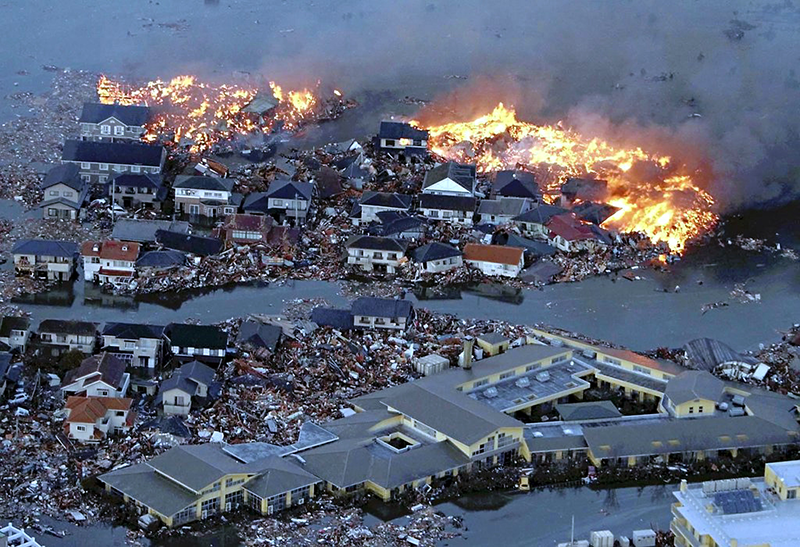
Much is made of accidents such as the one that happened in Fukushima. What is not as often publicized, is that for all the power the nuclear industry produces, its security record is nothing short of stellar. Of the three worst &quot;nuclear accidents&quot; of history (Chernobyl, Fukushima and Three Mile Island), the last two have not claimed a single soul as far as nuclear power is concerned [3] – and in the case of Three Mile Island, not a single soul, period [4]. Now how many people did die in, say, the third worst oxen car accident of all time? I bet it was more than zero.

The question of long-term effects of irradiation is often exaggerated. Late 2011 studies of Fukushima [5] show the region around the plant to be &lt;i&gt;less&lt;/i&gt; radioactive than the beaches of Guarapari in Brazil [6] – where incidentally my family would go for summer vacations when I was a child. So either there is a rampaging cancer epidemic going on in Guarapari that nobody knows about, or perhaps, as Dr. Sakamoto Kiyohiko&#039;s research [7] suggests, at low levels the correlation between radiation and health issues is not as direct as some would make out to be.

Should Japan move away from nuclear power, where would it get its energy from? We can take a look at what&#039;s happening in Germany, whose initiative to turn off nuclear plants has led it to build fossil fuel plants like there&#039;s no tomorrow [8]. Wind and solar plants are hardly an option, as they need some sort of back-up readily available to take up from where they let us down (in a cloudy or windless day) – and that &quot;some sort&quot; currently are fossil fuel plants. More fuel plants equal more cases of breathing diseases and aggravated commercial balance deficit [9], not to mention accelerated climate change. Hardly a good idea, ditching nuclear, then.

Nuclear energy is not just &quot;convenient&quot;, and not just for Japan either. It&#039;s our best bet to get through the century without suffocating in soot and carbon dioxide, or dooming large parts of the world population to hunger and poverty. It&#039;s no wonder that China, which already has to deal with runaway energy demands and increasing environmental issues, has embarked in an ambitious project to more than double its current nuclear power capacity in the next years [10].

[1] http://www.explainxkcd.com/wiki/index.php?title=1162:_Log_Scale
[2] http://en.wikipedia.org/wiki/Nuclear_fuel_cycle#Reprocessing
[3] http://www.unis.unvienna.org/unis/pressrels/2012/unisous144.html &lt;i&gt;&quot;A key point among the interim findings is that although several workers were irradiated after contamination of their skin, no clinically observable effects have been reported. Six workers have died since the accident but none of the deaths were linked to irradiation, the findings say.&quot;&lt;/i&gt;
[4] http://en.wikipedia.org/wiki/Three_Mile_Island_accident_health_effects
[5] http://ramap.jaea.go.jp/map/?
[6] http://en.wikipedia.org/wiki/Guarapari#History
[7] http://atomicinsights.com/dr-kiyohiko-sakamoto-low-dose-radiation-used-as-cancer-treatment/
[8] http://online.wsj.com/news/articles/SB10001424052702304259304576375154034042070
[9] http://www.ft.com/cms/s/0/6aa68b02-65d6-11e2-a17b-00144feab49a.html#axzz2QX22fTK4
[10] http://www.world-nuclear.org/info/Country-Profiles/Countries-A-F/China--Nuclear-Power/]]></description>
		<content:encoded><![CDATA[<p>Dear Shoko,</p>
<p>Since you mentioned nuclear energy as one of the topics you thought the movie might invite viewers to think about, and since there seems to be a dearth on information about this topic in the mainstream channels, I would like to share some facts that might enlighten this particular discussion, whenever and wherever it might take place.</p>
<p>Nuclear power is hands-down the most efficient, clean energy source we have mastered so far. 1Kg of uranium packs as much energy as 1.652 <i>tons</i> of gasoline [1] – all without throwing a single gram of carbon dioxide to the atmosphere. Since nuclear &#8220;waste&#8221; is solid and fairly limited in volume, it can be collected and stored safe in the nuclear plant itself – or better yet, recycled for successive runs through the reactor, until all radioactive material is consumed. [2]</p>
<p>Much is made of accidents such as the one that happened in Fukushima. What is not as often publicized, is that for all the power the nuclear industry produces, its security record is nothing short of stellar. Of the three worst &#8220;nuclear accidents&#8221; of history (Chernobyl, Fukushima and Three Mile Island), the last two have not claimed a single soul as far as nuclear power is concerned [3] – and in the case of Three Mile Island, not a single soul, period [4]. Now how many people did die in, say, the third worst oxen car accident of all time? I bet it was more than zero.</p>
<p>The question of long-term effects of irradiation is often exaggerated. Late 2011 studies of Fukushima [5] show the region around the plant to be <i>less</i> radioactive than the beaches of Guarapari in Brazil [6] – where incidentally my family would go for summer vacations when I was a child. So either there is a rampaging cancer epidemic going on in Guarapari that nobody knows about, or perhaps, as Dr. Sakamoto Kiyohiko&#8217;s research [7] suggests, at low levels the correlation between radiation and health issues is not as direct as some would make out to be.</p>
<p>Should Japan move away from nuclear power, where would it get its energy from? We can take a look at what&#8217;s happening in Germany, whose initiative to turn off nuclear plants has led it to build fossil fuel plants like there&#8217;s no tomorrow [8]. Wind and solar plants are hardly an option, as they need some sort of back-up readily available to take up from where they let us down (in a cloudy or windless day) – and that &#8220;some sort&#8221; currently are fossil fuel plants. More fuel plants equal more cases of breathing diseases and aggravated commercial balance deficit [9], not to mention accelerated climate change. Hardly a good idea, ditching nuclear, then.</p>
<p>Nuclear energy is not just &#8220;convenient&#8221;, and not just for Japan either. It&#8217;s our best bet to get through the century without suffocating in soot and carbon dioxide, or dooming large parts of the world population to hunger and poverty. It&#8217;s no wonder that China, which already has to deal with runaway energy demands and increasing environmental issues, has embarked in an ambitious project to more than double its current nuclear power capacity in the next years [10].</p>
<p>[1] <a href="http://www.explainxkcd.com/wiki/index.php?title=1162:_Log_Scale" rel="nofollow">http://www.explainxkcd.com/wiki/index.php?title=1162:_Log_Scale</a><br />
[2] <a href="http://en.wikipedia.org/wiki/Nuclear_fuel_cycle#Reprocessing" rel="nofollow">http://en.wikipedia.org/wiki/Nuclear_fuel_cycle#Reprocessing</a><br />
[3] <a href="http://www.unis.unvienna.org/unis/pressrels/2012/unisous144.html" rel="nofollow">http://www.unis.unvienna.org/unis/pressrels/2012/unisous144.html</a> <i>&#8220;A key point among the interim findings is that although several workers were irradiated after contamination of their skin, no clinically observable effects have been reported. Six workers have died since the accident but none of the deaths were linked to irradiation, the findings say.&#8221;</i><br />
[4] <a href="http://en.wikipedia.org/wiki/Three_Mile_Island_accident_health_effects" rel="nofollow">http://en.wikipedia.org/wiki/Three_Mile_Island_accident_health_effects</a><br />
[5] <a href="http://ramap.jaea.go.jp/map/" rel="nofollow">http://ramap.jaea.go.jp/map/</a>?<br />
[6] <a href="http://en.wikipedia.org/wiki/Guarapari#History" rel="nofollow">http://en.wikipedia.org/wiki/Guarapari#History</a><br />
[7] <a href="http://atomicinsights.com/dr-kiyohiko-sakamoto-low-dose-radiation-used-as-cancer-treatment/" rel="nofollow">http://atomicinsights.com/dr-kiyohiko-sakamoto-low-dose-radiation-used-as-cancer-treatment/</a><br />
[8] <a href="http://online.wsj.com/news/articles/SB10001424052702304259304576375154034042070" rel="nofollow">http://online.wsj.com/news/articles/SB10001424052702304259304576375154034042070</a><br />
[9] <a href="http://www.ft.com/cms/s/0/6aa68b02-65d6-11e2-a17b-00144feab49a.html#axzz2QX22fTK4" rel="nofollow">http://www.ft.com/cms/s/0/6aa68b02-65d6-11e2-a17b-00144feab49a.html#axzz2QX22fTK4</a><br />
[10] <a href="http://www.world-nuclear.org/info/Country-Profiles/Countries-A-F/China--Nuclear-Power/" rel="nofollow">http://www.world-nuclear.org/info/Country-Profiles/Countries-A-F/China&#8211;Nuclear-Power/</a></p>
]]></content:encoded>
	</item>
</channel>
</rss>