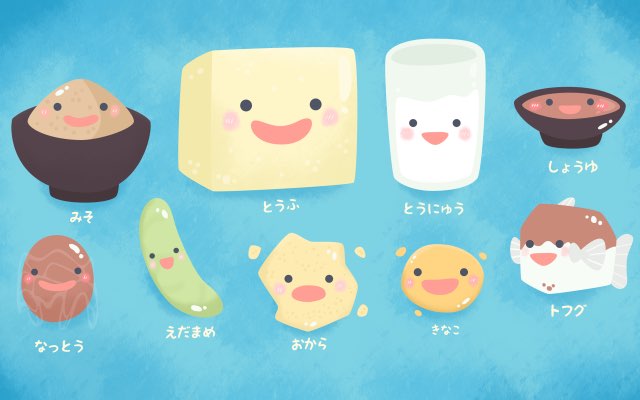
If you mention soy in the West, a lot of the time people dismiss it as nasty "vegetarian food." Although I have actually been vegetarian for most of my life, I have enjoyed soy products before then, and I know many non-vegetarian people who also enjoy foods made from soybeans. In fact, traditional Japanese cuisine has soy in almost every meal, hiding in places you wouldn't expect!
Soybeans originally come from a plant which is native to Asia, origination in China. In Japanese, the word for soybean is daizu 大豆, or big bean. And gosh, you can definitely say that soy is big in Japan.
The soybean was first domesticated in Northern China way back in the old days- 1100BCE. Japan's first use of soy was actually as fertilizer for their other crops.
But enough about that. You want to know the things that affect you, right? To do that, we'll have to look at and go over the foods that are made from soy. Of course, I'll be focusing specifically on the Japanese uses.
Tofu
The most well-known soy product in the world would probably be tofu. To make tofu, soybeans are ground with water into a milk and then are boiled and pressed (along with certain thickening agents) into the square shape that is known and loved, especially by tofugu.
Tofu can be prepared in many different ways, whether it's fried, boiled, or just eaten as is. I think that lot of people who don't like tofu just haven't had it prepared the right way.
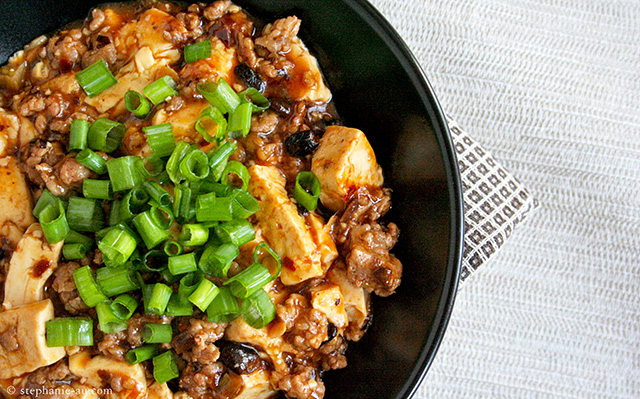
Good tofu foods are all over the place in Japanese cooking! Tofu is cut thinly and deep fried to make aburaage which is used in soups and nabe and oden. Mapo tofu (in Japanese pronounced mabodoufu), although it is technically chinese food, is made of tofu that is mixed with ground beef or pork and mapo sauce.
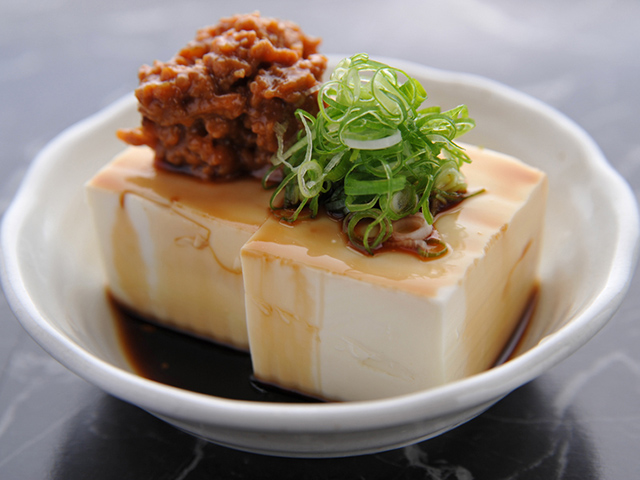
Hiyayakko is tofu that is chilled and eaten with toppings like sauce, vegetables, or meat.
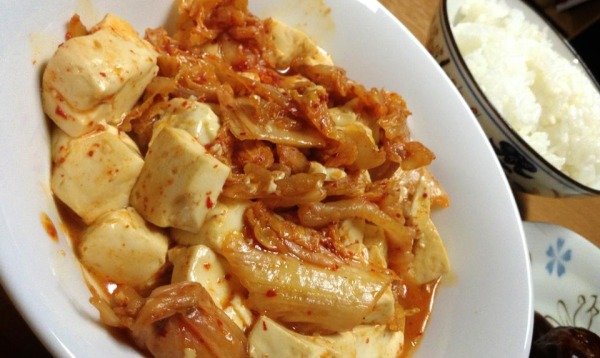
My favorite way to eat tofu is fried up with kimchi and over rice! Yum!
Soy Sauce
Soy sauce, known as shouyu in Japan, comes from fermenting soybeans!
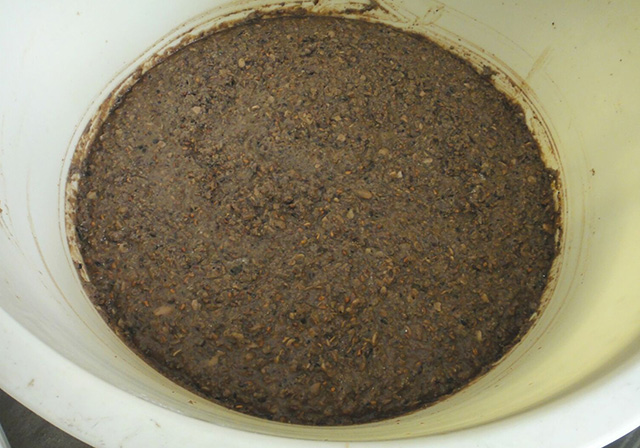
To make soy sauce, you mix your soybeans with flour and salt. Then you let your crushed soybean mixture mold and ferment for a few months before you strain out the non-moldy part of the sauce, which has become a brown, almost alcoholic, salty liquid. I remember my host family checking up on their homemade soy sauce, very proud of their mold in a paint bucket which would soon be a flowing fountain of flavor.
Soy sauce can be used as a condiment or spice for almost any Japanese food. You can even put it on other soy products (Soyception!). People eat soy sauce on almost anything, from sushi to fried egg. One of my favorite ways to eat vegetables is the way that my host family did- steamed or boiled and then with soy sauce on it. Although mayonnaise is a new (and less healthy) favorite alternative, I'll just take some shouuyu on my broccoli and call it good!
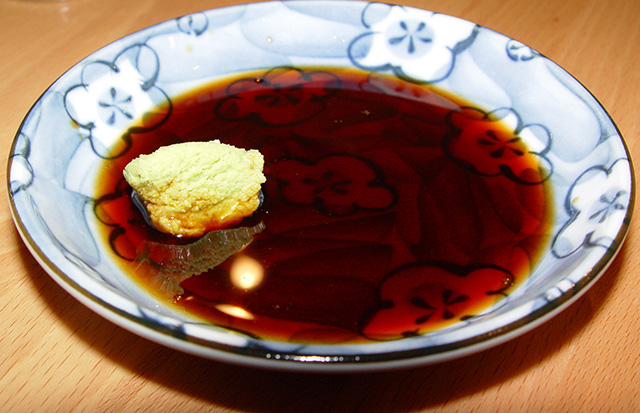
Most people in the West tend to drown their white rice in soy sauce, and although rice is sometimes eaten that way in Japan (shoyu-kake-gohan), it's best to not do that every time you have white rice in Japan as it's not the norm and will probably lead to hypertension down the line. Remember, a little bit goes a long way.
Miso
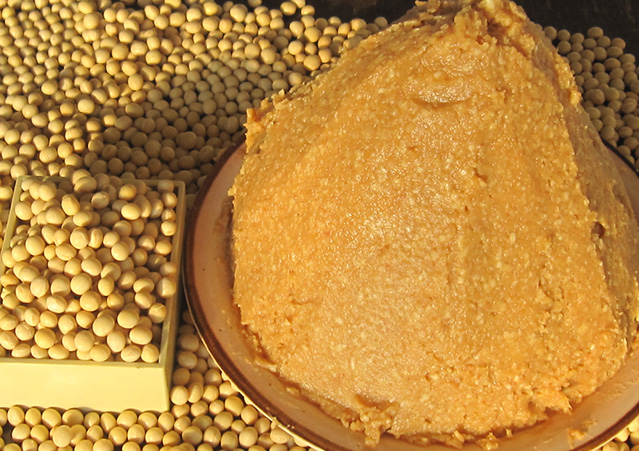
To make miso, we ferment the soy yet again! This time you're fermenting the paste of cooked, mashed soybeans, and you're supposed to remove the mold as time goes on. The paste turns slowly from yellow to brown.
Miso is mostly known in America for miso soup, but can actually be used in a variety of dishes as a flavor agent. In fact, miso (along with soy sauce) is one of the five essential flavors as known in Japan, (the others being sugar, salt, and vinegar). Gotta get that umami in, people.
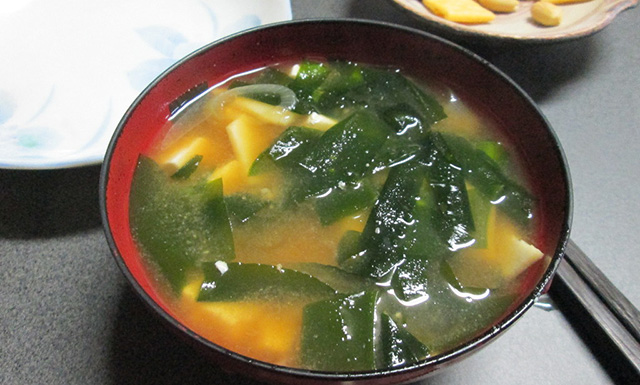
Miso soup is prepared by boiling water and mixing miso with dashi stock. From there, you can add whatever you want to it. Popular additions are wakame seaweed (you almost never have miso soup without wakame), tofu, and green onions. I've had miso soup with clams, potatoes, gobo, mountain vegetables, daikon, and many other vegetables. When you add pork, potatoes, and carrots into miso soup, it becomes its own dish called tonjiru.
Miso soup is normally prepared every morning and eaten with breakfast, and then the leftovers with dinner. It's easy and cheap to prepare, but also very tasty and can have a lot of variety. Miso, miso! The wonder food!
Natto
Oh natto. What a terrible life you live, hated by so many, both Japanese and foreigners alike. Why do they hate you so much, when you carry so much wisdom and history? Is it your fermented rotten smell? Is it the way you froth with slime when you are mixed with chopsticks? Or is it your knack of having little strings of goop fall and stick to the chin when you are eaten? Well, I'll never know, because I love you too much to care.
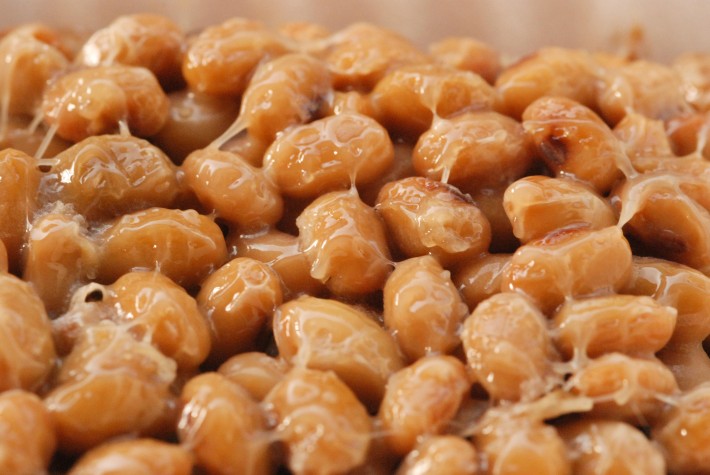
Natto is made yet again by fermenting the soybeans, but this time they are fermented whole. See, we're working up in the world! Beans are being mutilated less and less! Special bacteria (actually called "Bacillus natto") are added in the fermenting process (which only lasts about a day this time.)
Natto should NOT be eaten as is. That is the mistake that I see a lot of my non-Japanese friends make when they eat natto for the first time. My favorite and the classic way to eat natto is over rice. You can also mix different things into natto as well. When you buy natto it comes in little styrofoam packages, and most packages you buy come with tiny plastic pouches of liquid that you're supposed to mix in. Usually it's just some form of dashi and soy sauce along with a little bit of mustard, but sometimes you can get specialty flavors. I've had ume natto twice, and I have to say that it was maybe one of the best things that I've ever eaten. You can also mix in raw egg, daikon oroshi (grated daikon radish), green onions, and many other things.
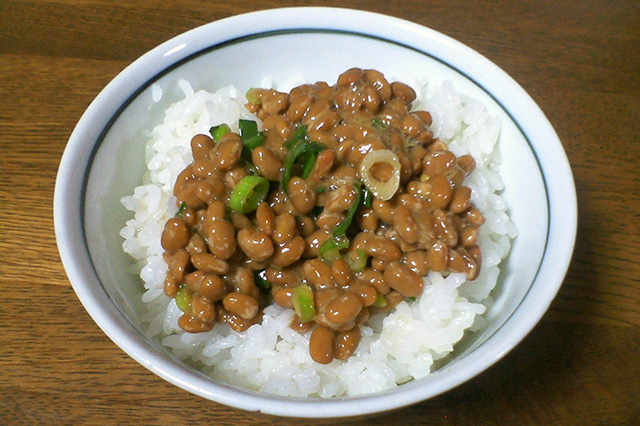
I've seen some people put natto on toast with cheese, and natto spaghetti is a popular favorite. However, one of the worst mistakes I've ever made was to mix natto with shirataki noodles. Don't get me wrong, I love them separately, but it was a very slimy regret.
Remember, it took me three tries to get myself to like natto, so don't stop on your first try thinking you don't like it. If at first you don't succeed, try, try again! Do natto stop! Hee hee!
Edamame
Edamame is pretty much one of the most simple and true-to-form ways of eating soy. Still in the pods, soybeans are steamed and salted.
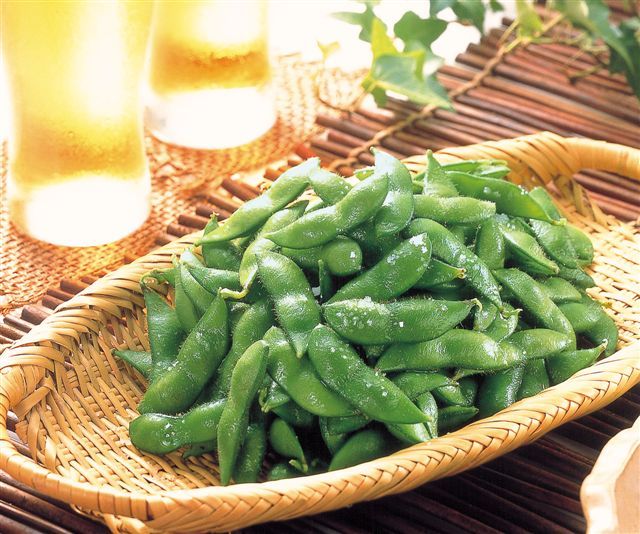
Edamame is popularly eaten as otsumami, which are snacks that you eat while drinking beer. Edamame is usually served as an appetizer at Japanese restaurants that are not in Japan, so chances are you've seen and tried this soy-related dish. Even places that can't get their sushi right probably serve edamame.
Heads up! Edamame is eaten by popping out the beans straight into one's mouth! Don't eat the skins! Also don't pop out every bean and assemble them on the table before eating them. And I know that the skins are salty, but it's not too attractive to suck on them or chew them either. I mean, if you want to then you can, but I won't like you as much.
Soy Milk
Soy milk isn't only drunk by people who are lactose-intolerant or vegan. Soy milk can be drunk just because it tastes good, is low-calorie, and in some places it's cheaper than cow's milk. Soy milk is made by soaking, cooking, and draining the beans in water. After that, the mealy bean mush that is left over is strained and made into okara (we'll get to that one).
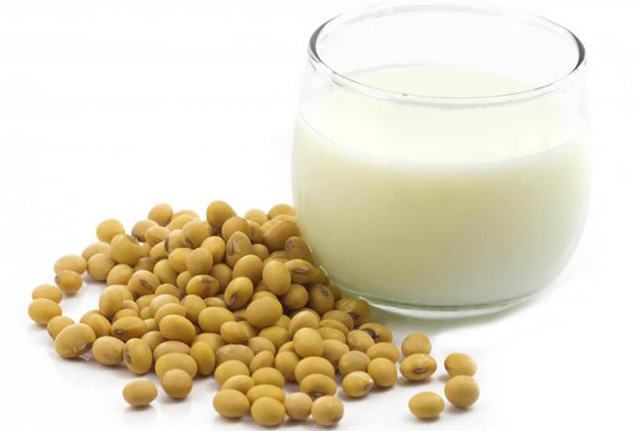
Having consumed a lot of soy milk in the US, I've found Japanese soy milk to be much richer in texture and to have more elements of actual soy in the taste. It seems to be a lot more fresh, too. I guess it's not sitting and waiting on the shelf for its niche demographic to come by and pick it up.
Other than just drinking, you can use soy milk for cooking or baking. In fact, on the back of the most popular Japanese soy milk brand, there's a recipe for a soy milk cake. Happpy birtthdayyy tooo youuuu…
Okara
Okara is kind of a chunky tofu byproduct that occurs when making soymilk, as stated above! It doesn't have a lot of flavor on its own, but people have found a lot of good ways to use it. On top of that it's cheap and has a ton of fiber.
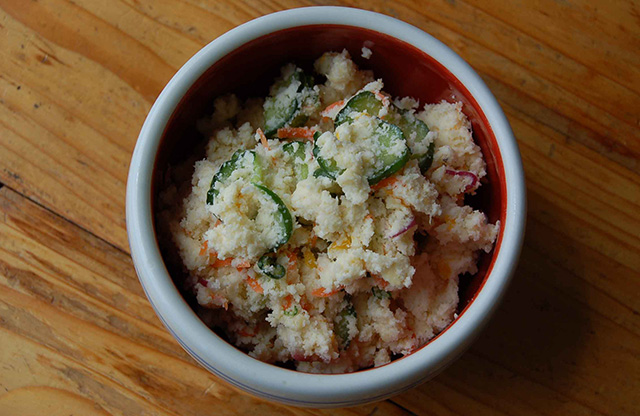
Okara is usually mixed with vegetables and eaten as a side dish called Unohana. Unohana is a pretty standard side dish which comes in fancy Japanese traditional meals, and is a popular side dish for bentos as well. You can buy little frozen pre-made packs to shove in your kid's obento before they run out the door nourished by their morning natto and miso soup
Kinako
Kinako, no, not kinoko (mushroom), is a flour that is made by grinding dried soybeans and is a popular ingredient in traditionally prepared Japanese confections, or wagashi.
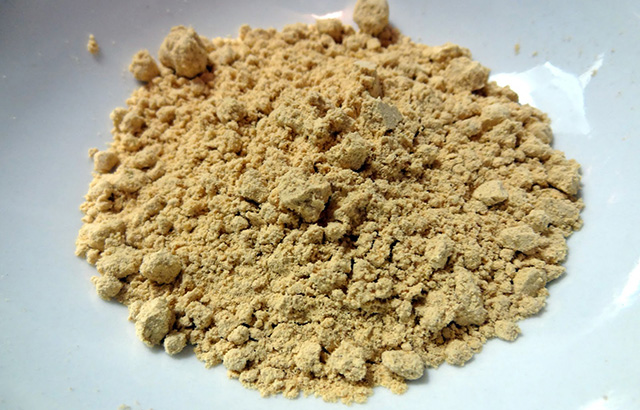
When I first encountered kinako, it was in the form of a kinako-flavored kit-kat bar. I had no idea what it was, and assumed that it was brown sugar flavored based on the image on the pack (not to mention the taste!). After I found out that it was, I could definitely taste the soy in it.
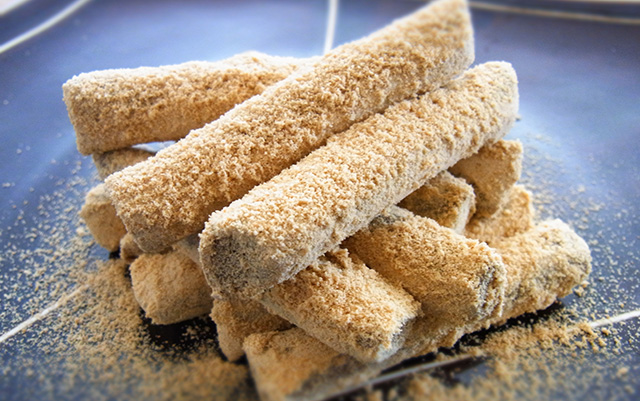
Kinako is used in a lot of different wagashi, mostly as something to roll it in. I've had kinako-covered mochi and other rice snacks. Because it's a flour, kinako can be sort of dry, but has a very low-key sweetness that is usual among Japanese sweets.
So, are you blown away by how much soy is hidden into the Japanese diet? Maybe soy is one of the many elements that contribute to the long lifespan of the Japanese people (and maybe the reason it's going down is the fact that young people are hating poor natto). Whatever it does though, it's apparent that soy is a major staple of traditional Japanese food. Try adding it to your diet to begin feeling its health benefits! Heck, you can even make veggie burgers out of okara, if you wanted to! The easiest thing you can possibly do is to go buy a block of tofu, plop it on a plate, soak out a little moisture, then top it with grated ginger and soy sauce. From there, enjoy! It's one of the simplest soy-related meals out there and it tastes really good too.
So, what's your favorite soy food? Any of these you didn't realize were made of soy? Let me know in the comments!