What Kind of Tea To Drink When You’re in Japan

Last week our good friend Hashi wrote about What To Drink When You’re in Japan. His post focused exclusively on alcohol though, so what other delicious beverages can you drink in Japan if you’re too young to drink or just don’t enjoy alcohol?

Well, tea is the most popular drink in Japan and is an important part of their culture, so tea is a great thing to drink there. You can find it pretty much everywhere, and often it is served for free at restaurants, just like water. Below you’ll find a list of the most common and popular varieties of tea in Japan. I like some, and dislike others – but everyone’s tastes are different. Let’s explore.

Green Tea (Ryokucha)
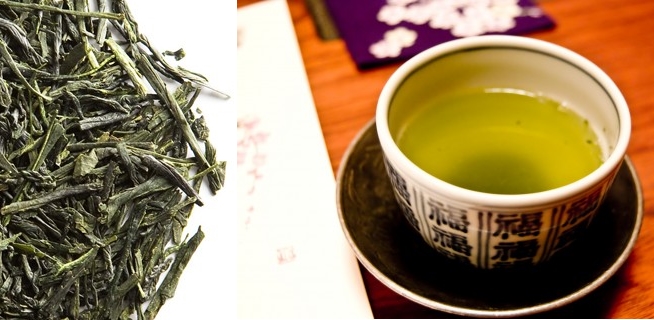
RyokuchaGreen tea is undoubtedly the most popular tea in Japan. As expected, green tea is green in color, and comes in various grades. The various grades are determined by when the leaves are harvested and how much sun exposure they’ve seen. Green tea is also probably the most popular Japanese tea consumed outside of Japan as well.

Green tea has a mild, earthy, grass-like taste to it. While I’m not a huge fan of straight up green tea, I do enjoy it when it is flavored. Even something as simple as lemon and ginseng can really brighten up this tea for me. Overall green tea is pretty good. I just don’t particularly care for it in its unaltered form.

Green Tea With Roasted Brown Rice (Genmaicha)
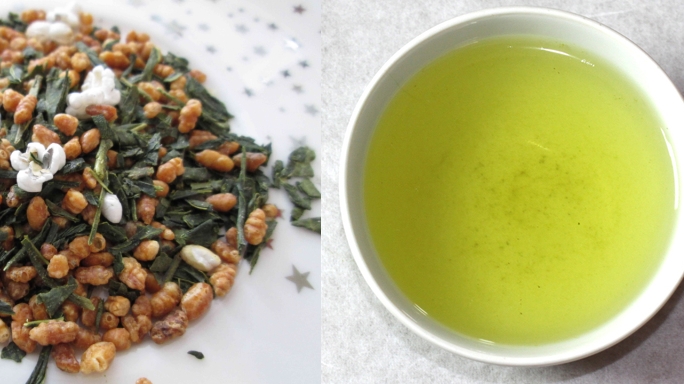
Genm aichaThis tea is a popular alternative to the standard green tea. Unpolished brown grains of rice are roasted and mixed with green tea leaves to create this tea. It is yellow in color, and the flavor is distinctly different from that of regular green tea. It was originally drank by the poor as the rice served as a filler to reduce the price of the tea.

This tea’s flavor combines the grassy taste of green tea with the aroma of roasted rice. If you like green tea and also enjoy (roasted) rice, then you’ll probably enjoy this tea as well. This tea is also referred to as “popcorn tea” due to what can happen to some of the rice kernels during roasting as you can see in the photo above.

Roasted Green Tea (Hojicha)
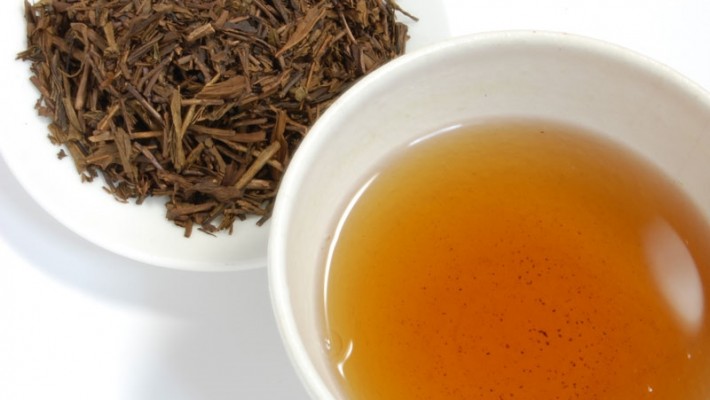
hojichaSimilar the the above, this green tea roasts the leaves and forgoes the brown rice. The roasted leaves become red-brown in color and as a result of the roasting, this tea is sweeter. The tea is also less astringent due to the high temperature roasting process.

I don’t think I’ve ever had this tea, but the taste is said to be a mild, toasty, caramel-like flavor. It doesn’t sound too bad, I’m just usually not a fan of toasty type teas. Because it is so mild, it makes for a good after dinner tea and is also favored by young children and the elderly.

Residual Green Tea (Konacha)
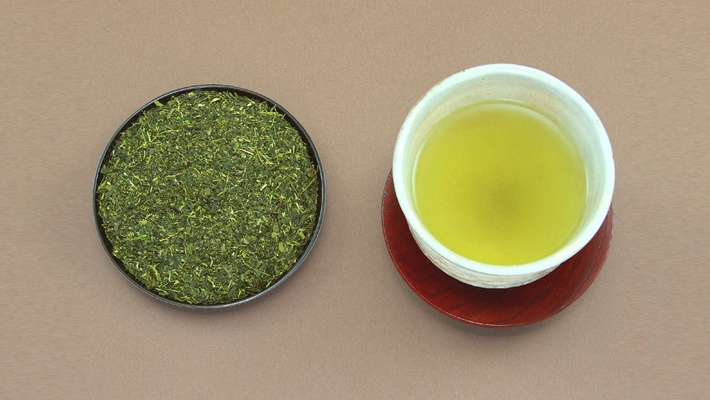
konachaThis tea uses all the leftovers from regular green tea. It’s composed of tea dust, buds, and small leaves. Basically it’s all the stuff that isn’t good enough to go into regular green tea. This is the kind that you’ll most often find for free at restaurants because of how low a grade it is. It is popular to drink with sushi though, which is why most of the restaurants you’ll find this for free at are the cheap sushi places.

I think you’d expect this tea to have a weaker flavor, given it’s just low grade tea – but the flavor for this green tea is actually quite strong. If you really like green tea, you probably won’t mind that though, especially if you are having it with sushi. I don’t prefer konacha myself though.

Powdered Green Tea (Maccha)
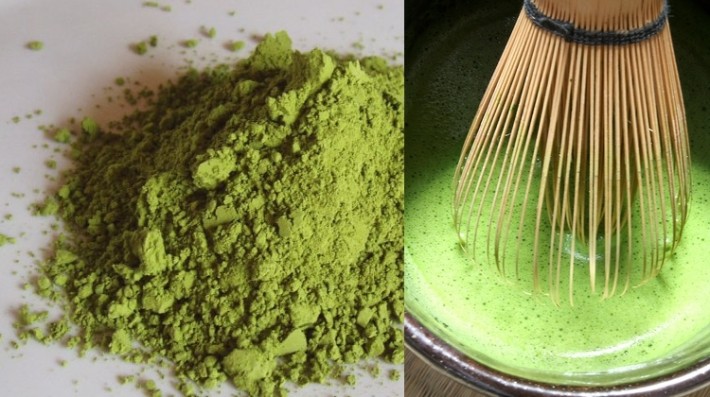
MacchaApparently maccha is the highest grade of green tea, but I think it is probably my least favorite. The highest quality tea leaves are dried and ground into a fine powder which is then mixed with hot water. It’s also the kind of green tea you’ll find served at a tea ceremony.

Maccha is also a very popular flavor for sweets and ice creams in Japan. You’ll find everything from maccha flavored ice cream to maccha flavored Kit Kats. Due to this, I really wish I liked maccha more. I think it’s okay when mixed with something else, or in small doses, but overall, I think maccha is just average. It has more of a bitter, vegetable-like taste that I don’t particularly care for.

Oolong Tea (Oolongcha)
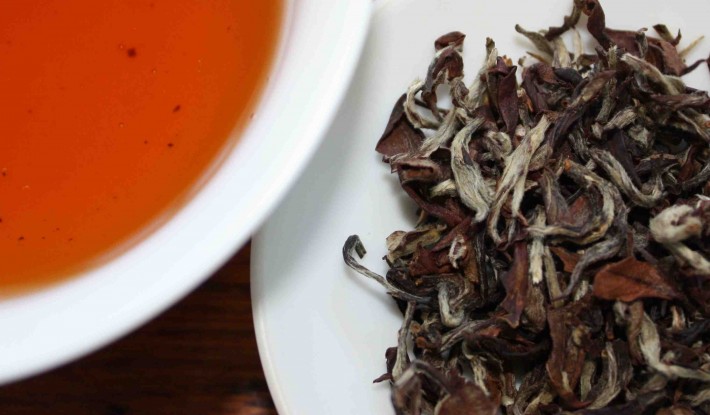
OolongOolong tea is a type of Chinese tea that takes oxidized tea leaves (leaves that are left on their own in a climate-controlled room where they turn progressively darker due to the oxygen exposure) and then steams or roasts them to halt the oxidation process, ranging anywhere from 8% to 85% oxidization. Brown in color, this tea can be served hot or cold and is found all over Japan.

Oolong encompasses many different flavors and varieties. Oolong can be sweet and fruity, or thick and woody. Or any combination in between. I prefer the sweeter, fruitier varieties, but that’s just me.

Black Tea (Kocha)
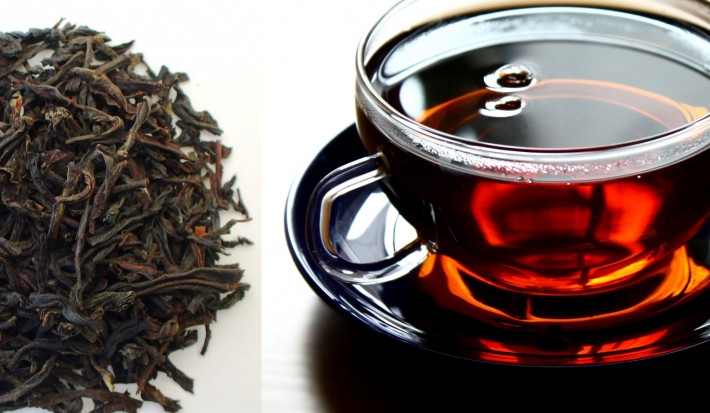
kochaKocha actually means “red tea” in Japanese, the color of the tea is a dark ruddy brown, and the English name of it is “black tea”. Science. These tea leaves are even more oxidized than oolong’s, and it is found most often at Western style cafes and restaurants.

Ah, black tea. I like black tea. Western black teas, Japanese black teas, they’re all great in my book. There are many varieties of black tea as well, but if you’ve had any kind of black tea before, you have a good idea of what you’d be getting yourself into with a black tea in Japan.

Jasmine Tea (Jasmine-cha)
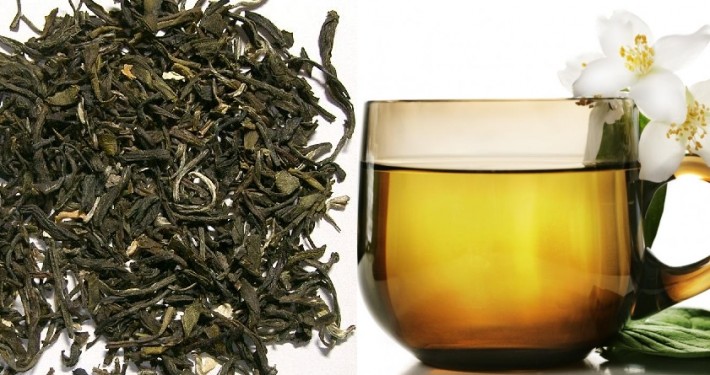
tea-in-a-cup-with-flowersJasmine tea is most popular in Okinawa, but not so much in mainland Japan. It’s made by combining jasmine flowers with either green tea or oolong tea, giving the tea a subtle, flowery taste.

I like how this tea smells, I just don’t like how it tastes. I’ve never really been big on eating things that taste like flower petals, and jasmine tea is one of those things. It’s just weird to me.

Barley Tea (Mugicha)
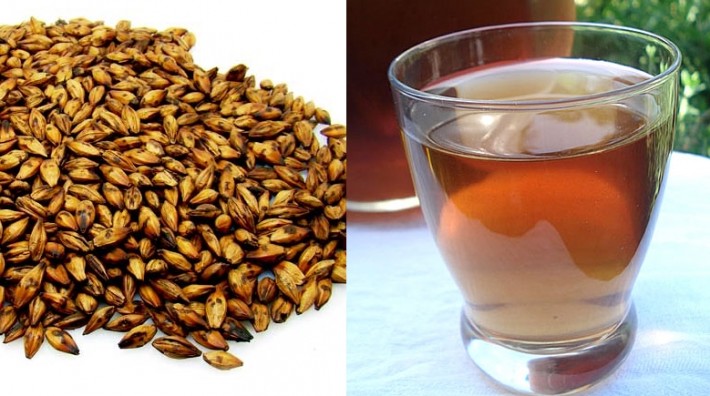
mugichaI hate barley tea. For some reason this is a popular summer drink, where it is served cold – possibly the worst way to experience this tea. It is made by infusing roasted barley into water, and it tastes much like you would expect. Like grain water. It has a burned, bitter taste to it. The best way I can think to explain it is like drinking Cheerios in liquid form. Cold. Blech.

Kelp Tea (Kombucha)

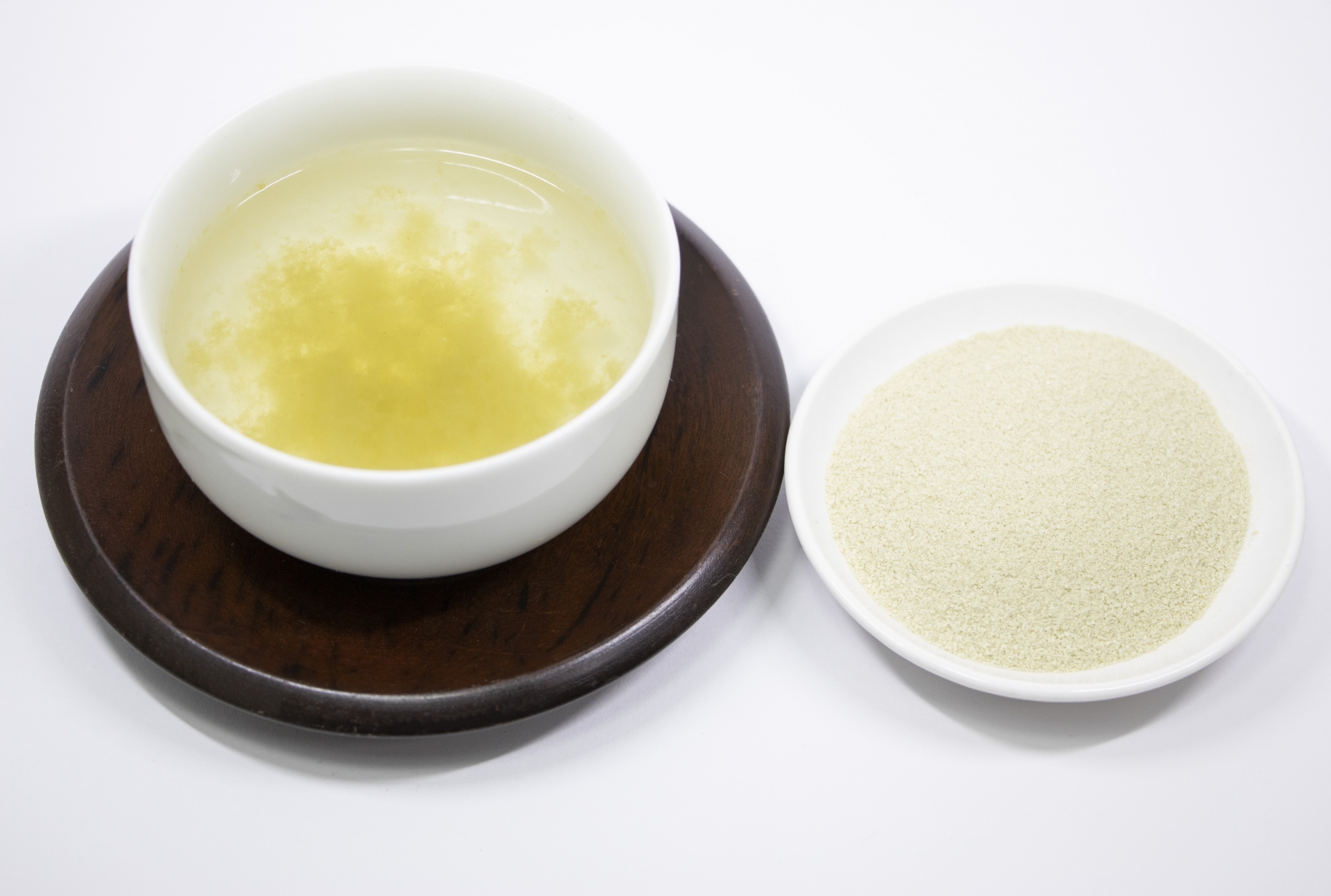
塩昆布茶Okay, so honestly I didn’t even know this was a thing until writing this post, but really? Kelp tea? That sounds terrible. Maybe I just don’t like the ocean enough.

This drink is made by mixing ground or sliced seaweed into hot water. I’m guessing it would taste just as you’d expect. Like the ocean. I dunno about you, but drinking hot ocean water sounds anything but refreshing. Apparently this tea is sometimes served as a welcome drink at ryokans. Pretty risky tea to serve as a welcoming beverage if you ask me.

Also, if anyone has actually experienced kelp tea, please tell me about it in the comments. Is it as icky as it sounds?

Tea, Tea Everywhere!
tea

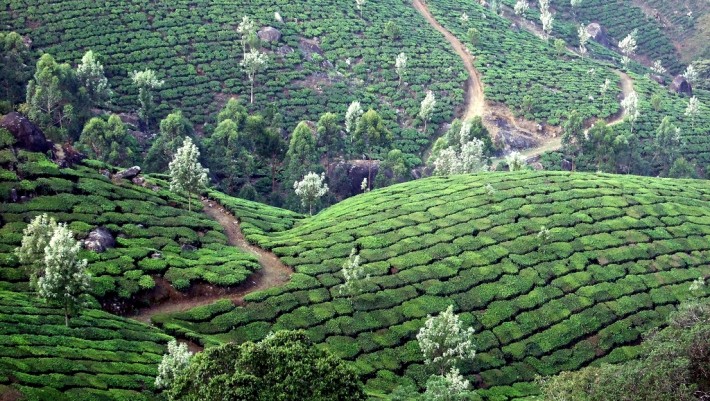
Photo by janealicious

So, have you picked a favorite from the above list? Well where can you find it? Teas of all varieties aren’t really that hard to find in Japan, fortunately. You can find teas at vending machines, restaurants, convenience stores, and supermarkets. You can even find it being served at festivals, temples, and gardens – sometimes for free.

Whether you want some tea in a mug, cup, or bottle, hot, cold, or tepid, instantly, or for later – you’ll find what you are looking for somewhere in Japan. Many bottled varieties are available in Japan’s fancy vending machines as well as convenience stores and markets. Hot tea is less widely available in the summertime, but Japan on the whole thinks that hot drinks are mostly for winter and cold drinks are mostly for summer.

While Japan has teas from all over the world available to them, these are the teas that are either Japanese by nature, or molded into Japanese culture. Japan was first introduced to tea by the Chinese in the 700s, and tea has been a huge part of Japanese culture ever since.


So tell me, which Japanese tea is your favorite? Least favorite? If you happen to dislike all of them, which other variety of tea is your favorite? (Mine’s Earl Grey). Leave your tea thoughts in the comments!

  • Zach Walz

    Kombucha is disgusting. It tastes like vomit. Hipsters and Hippies drink it to be cool and/or healthy, respectively. It’s become kind of lucrative in the US now, but only after a company started adding a lot of flavors to disguise the vom taste.

    http://www.wonderdrink.com/

  • DamalSeer

    I really enjoy drinking Genmaicha :D it has a strong taste if you dont do it right but still pretty delicious.

  • dresダイn

    We have genmaicha, i really like preparing it and sometimes put honey on it. It tastes really great with or without honey.

  • http://zoomingjapan.com/ zoomingjapan

    I was almost throwing up when I read “Tofugu Tea”. *g* Just imaging a tea made out of a tofu and fugu mix is bleeeh!

    I love Jasmine tea, although that’s not Japanese. They have some super great Jasmine tea in the China Towns in Japan!

    I was a green tea nerd loooooooooooooong before I moved to Japan. I tried them all and I had my favorites. Actually, now that I live in Japan I drink less green tea than before. *g*

    I love soba-cha. I’m surprised that it’s not in the list! ^_^
    If you like Genmaicha, then you’ll probably like soba-cha!

    For some reason I get a headache from Mugicha, so I never drink it, although it’s refreshing in summer.

    There are some other great teas as well such as sakura tea or shiso tea, even umeboshi tea. Of course, those are seasonal and not as common as the ones mentioned in this blog post.

  • DAVIDPD

    I like to brew about a 1 liter of genmaicha and chill it. It is super refreshing when taken on a hot day.

  • Jamal Antonio

    There is nothing better than a nice cup of sencha in the morning, or lunch, or tea, or anytime really! (Just for the record, tea is the last meal of the day. Or that’s what we call it in England, or at least where I come from!)

  • Mariana

    Kombucha is a Russian type of tea made from colonies of symbiotic bacteria and yeast.
    It looks (and probably tastes) disgusting.

  • DAVIDPD

    Of the Japanese green teas, I prefer the newer regions to the old. I mean teas from the Kagoshima area. I can’t really afford to drink any of the super elite stuff, but I do enjoy O-Cha’s sencha quite a lot. I also like Genmaicha, but more as a gulping drink rather than a savoring beverage. If you can get Genmaicha with a bit of Matcha included, I highly recommend it! The green tea flavor is a lot more pronounced and stands up better to the roasted rice flavor. Do the Japanese also drink Roasted Corn Tea? I know Koreans do. // My favorite tea happens to be Jasmine, but I can’t find decent Jasmine here in the United States. Or if I do it is way too expensive. So I drink my second favorite, Twinings Brand “English Breakfast” tea.

  • Logan

    Just a little Okinawa FYI, Jasmine tea in Oki is called “Sanpincha” (さんぴんちゃ always hiragana) and is literally as common or more common than Ryokucha as far as konbini and vending machines. It also a LOT stronger than the already-strong Jasmine tea you can find in mainland.

  • Matthew Jackson

    Hey… I haven’t had kelp tea, but I have had kombucha. That is, the stuff that comes from Russia and is made from sweet tea fermented with symbiotic yeast and bacteria colonies(http://en.wikipedia.org/wiki/Kombucha).

    …And I just wanted to let you know that you used pics of Russian kombucha for the article.

  • DAVIDPD

    It’s naturally acidulated. So it is very sour and bitter. In many parts of Asia they drink special beverages called “drinking vinegars” so drinking Kombucha is more appetizing. SCOBY (Symbiotic Colony Of Bacteria and Yeast) is the acronym for the thing that turns tea into kombucha.

  • DAVIDPD

    On a related note, hey John, check out this video of a Master Craftsman make a traditional Japanese teapot (“kyusu”). It’s amazing! Everything from one piece of clay! http://www.youtube.com/watch?v=L_dItY1fw_Y

  • Starchild

    I love kombucha. It’s fermented tea, with added algae and bacteia and such, and is admittedly a drink for hippies. It’s supposed to be probiotic. Sometimes it tastes super vinegary, but usually it’s just very tart.

    Kombucha, the seaweed tea, is completely unrelated to what is sold in the USA.

  • Nikolai

    Jasmine tea is definitely my favorite, even surpassing lemon tea. A cup after dinner soothes the soul. No sweeteners. Just straight up. Adding anything to tea ruins the natural flavor.

  • Lizzy

    Kombucha does not have any kelp in it, kombu in the name may come from the scoby fungus (that sort of looks like kombu) that grows in the tea as you let it ferment. I’ve made kombucha myself and one typically uses sweetened black or green tea and a little kombucha from a previous batch, let ferment for a week or two and tada kombucha!

  • Piggaletto

    Jasmine tea is the best. I find green tea kinda bitter so I prefer jasmine, though I mostly drink English breakfast or Earl Grey. But I’d definitely be interested to try all these various types of tea!

  • Stacy Dewing

    I’m so addicted to 午後の紅茶 milk tea, I have a serious problem

  • mmmfruit

    Mugi-cha! I love, love, LOVE IT! So great in the summer too. When I lived in Japan, mugi-cha and ice cream were the only things that could get me through the hot, humid days.

  • Kasma88

    Hojicha is awesome, you should defintely give it a go. It’s also great, along with genmaicha, when making chazuke!

  • April Roberts

    I love green tea and enjoy Maccha flavored foods (Ice cream, candy, cupcakes). Like you, however, my favorite tea is Earl Grey!

  • Alex Mally

    I bought Mugicha the last time when I was in Japan (without knowing what it was) and it was one of the most horrible drinks I’ve ever tried… tastes like ashtray-water to me… well, my japanese friend loved it…

  • http://www.myjapanesegreentea.com/ Ricardo Caicedo

    Genmaicha and houjicha are technically ryokucha, because they are both green teas. The most popular green tea in Japan (in terms of production and consumption) is sencha.

    I made a list of all the Japanese green teas in case you want to give it a look:
    http://www.myjapanesegreentea.com/types-of-japanese-green-tea

  • Jusilla

    My favorite tea is jasmine tea I think! I lived for a semester in Chengdu, where jasmine tea was the most popular. When I was in Japan, I did not encounter it, probably since I was nowhere near Okinawa. ^^()
    When I make ochazuke, I always use this tea I have called “sencha”, and I’m fairly certain it is roasted green tea. I say this because every time I drink roasted green tea I think of ochazuke, haha.
    I also really despise the barley tea. Such a disappointment when I am offered tea, and that is what they give me. (Also, gluten intolerance… yay) Informative post, thank you!

  • shiro

    Hm, there appears to be a grave misunderstanding… the picture you have up there is of the fermented tea kombucha, not kelp tea kombucha. Don’t get me wrong, they’re both disgusting, but that’s not what’s in the picture.

    http://en.wikipedia.org/wiki/Kombucha See Etymology.

    This is Japanese kelp tea: http://www.yasudanotukudani.co.jp/image/item/g000016_ob.jpg

    Next time, don’t Google in romaji? :x

  • shiro

    Er, how long ago were you in Japan? Jasmine is in nearly every vending machine and available on virtually every restaurant menu.

    I had no idea barley contained gluten. Good to know.

  • shiro

    I should also say that mugicha is almost certainly an acquired taste. I also thought it tasted like dirt water at first, but since it’s served in lieu of water at a ton of restaurants in the summer, I had to get used to it. Now I think it’s delicious. Most of my friends who have lived through a couple of summers in Japan report similar findings. Totally weird how it grows on you like that!

  • Kanrei

    Yeah, that Kombucha stuff you find in western countries is not really the same, as kombucha as kelp tea. Ist this tea made out of Kombu? If yes, do you just cook Kombu algea in hot water? (But then, that`s sounds just like Kombu broth, which you could use for cooking or so maybe.)

    Anyway my favourite tea is Genmaicha and Gyokuro (that is green tea, which grows in the shadow). Also I really love Matcha. ^^ And fortunately we have in switzerland starbucks now Matcha Latte and Matcha Frappuccino. ^^

    I have Mugicha here, but seems like I but to less barleys into the hot water, it did have just a slightly taste of the barleys. I will try that next time with more barleys.

  • Kanrei

    ^^ I also love this cold green tea drinks, which you find in japan, korea and so on. I found some in a korean store, with a lot of different type of tea inside. I also love Oishi green tea drinks. (But even if I like genmaicha as normal tea, I don`t like genmaicha from oishi. I prefer there green tea with lemon and honey. )

  • orangedude

    Does anyone have a suggestion for a weak, or sweet tea for someone (me) that doesn’t really like the taste of traditional tea? I’ve tried several teas, and I find them all too bitter for my liking. Even adding sweetener leaves a bad taste in my mouth. The only kind that I’ve ever liked is very sweet iced tea, and I highly doubt that that even counts! I would greatly appreciate some suggestions!

  • Me

    I love how you decided to write an article about teas that you don’t particularly care for or had even tasted! Was there a single tea in that list that you actually liked? Wait – yes I see it … black tea.

  • Anthorien

    Hojicha is a really good everyday tea!

  • linguarum

    So, to sum up, you don’t like any Japanese teas, and you have no idea what kombucha is. Thanks for the info.

  • Henro

    Oh, man, that stuff was my jam back in the day. I’ve cut back on bottled drinks now, though. :-/
    I kinda got fat, and my wife was like, “It’s cuz you drink all that milk tea.” I was like, “No,” but I cut back anyway. :-D

    Life!

    Every now and then they come out with a “dessert tea” flavor that I grab – like strawberry milk tea or, like, caramel milk tea or whatever. It is still definitely my jam.

  • dratcat

    I love tea! Enjoying a cup of Earl Grey right now in fact. But I think you went on too much about how you didn’t like pretty much every tea that was on the list. It was kind of a downer and not really the best way to encourage interest in what you’re writing about.

  • dratcat

    You might like some fruity, flavoured green teas, or maybe some herbal infusions (rosehip infusion, for example, is sweet and tart, and very high in vitamin C – although perhaps you were asking about tea specifically, I’m assuming for the health benefits?) You can brew the tea for less time or at a lower temperature to weaken the flavour. There are hundreds of ways that tea can be made and enjoyed, there is no one right way, so just keep fiddling around until you find a way of having tea that you enjoy. :)

  • dratcat

    I love hot mugicha in winter with a bit of honey and lemon, but I have to be in the mood to drink it cold. It’s good if you’re really thirsty, in the same way that beer can really quench your thirst in that satisfying way that water can’t in the same situation.

    I didn’t think John’s picture looked right! Thanks for supplying an accurate one.

  • John

    Sorry about the kombucha confusion everyone! Thanks to all who pointed that out in the comments, lol. I got it fixed up. Both varieties of kombucha still sound unpleasant to me, but that non-Japanese variety seems worse for sure.

  • John

    I like green tea, black tea, and oolong. Sorry about the kombucha confusion, but thanks to you and everyone else, I got that fixed up, haha.

  • John

    I wasn’t trying to make the teas sound bad! xD I enjoy most varieties of green, black, and oolong. The ones I don’t like as much I at least tried to describe their flavor accurately. I just wanted to add my personal experiences to make the post a bit more interesting.

  • dratcat

    I definitely see where you’re coming from, and seems to me like you did an alright job at describing the flavours. It still reads to me like a long list of you going “blegh”, though, and I think other commenters picked up on this as well. It’s pretty cold where I am in Australia right now, and tea has been keeping me comfortable and happy. To read about you disliking so many of those teas made me a little sad.

  • John

    My bad! Fixed!

  • John

    lol, thank you – I’ve fixed the article to reflect this

  • John

    I think it’s the aftertaste of most jasmine teas that I don’t like. the flavor while drinking it is nice, I just feel weird afterwards having my mouth taste like flowers, lol.

  • Jesse Cadd

    Mugicha is my favorite. I am drinking some right now as a matter of fact! It has a roasted/sweet taste that I love.

    You left out corn tea!

  • John

    Haha, sorry!

  • John

    I like green tea and oolong also! xD

  • John

    I don’t believe I have ever encountered this! Interesting.

  • dratcat

    No apologies necessary – a fellow Earl Grey drinker is already forgiven. :)

  • John

    lol tyty

  • Catherine

    Maccha is amazing for cooking with. So pretty, and smells sooo good.