What Kind of Tea To Drink When You’re in Japan

Last week our good friend Hashi wrote about What To Drink When You’re in Japan. His post focused exclusively on alcohol though, so what other delicious beverages can you drink in Japan if you’re too young to drink or just don’t enjoy alcohol?

Well, tea is the most popular drink in Japan and is an important part of their culture, so tea is a great thing to drink there. You can find it pretty much everywhere, and often it is served for free at restaurants, just like water. Below you’ll find a list of the most common and popular varieties of tea in Japan. I like some, and dislike others – but everyone’s tastes are different. Let’s explore.

Green Tea (Ryokucha)
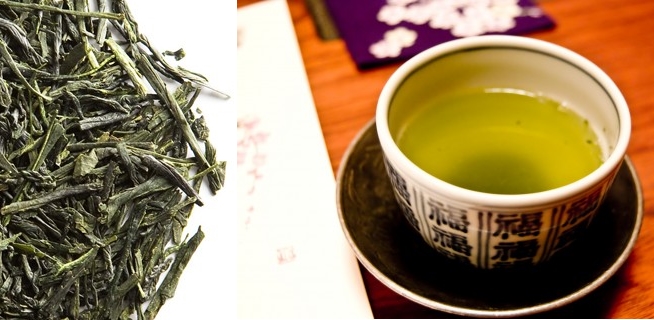
RyokuchaGreen tea is undoubtedly the most popular tea in Japan. As expected, green tea is green in color, and comes in various grades. The various grades are determined by when the leaves are harvested and how much sun exposure they’ve seen. Green tea is also probably the most popular Japanese tea consumed outside of Japan as well.

Green tea has a mild, earthy, grass-like taste to it. While I’m not a huge fan of straight up green tea, I do enjoy it when it is flavored. Even something as simple as lemon and ginseng can really brighten up this tea for me. Overall green tea is pretty good. I just don’t particularly care for it in its unaltered form.

Green Tea With Roasted Brown Rice (Genmaicha)
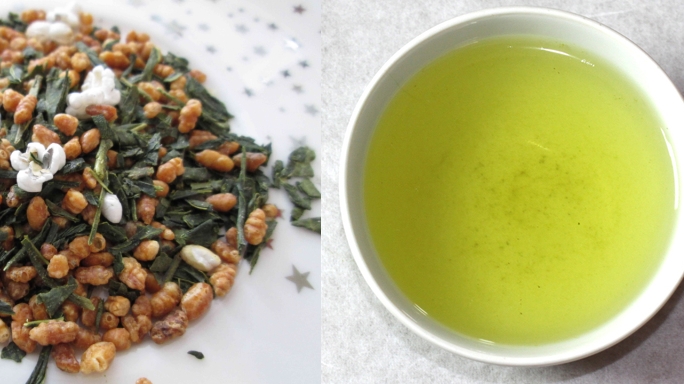
Genm aichaThis tea is a popular alternative to the standard green tea. Unpolished brown grains of rice are roasted and mixed with green tea leaves to create this tea. It is yellow in color, and the flavor is distinctly different from that of regular green tea. It was originally drank by the poor as the rice served as a filler to reduce the price of the tea.

This tea’s flavor combines the grassy taste of green tea with the aroma of roasted rice. If you like green tea and also enjoy (roasted) rice, then you’ll probably enjoy this tea as well. This tea is also referred to as “popcorn tea” due to what can happen to some of the rice kernels during roasting as you can see in the photo above.

Roasted Green Tea (Hojicha)
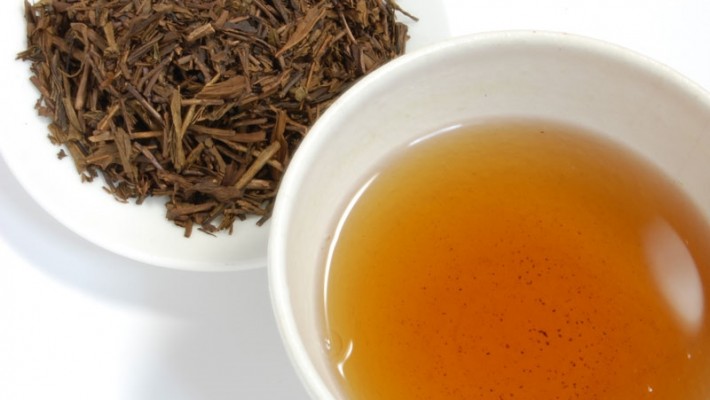
hojichaSimilar the the above, this green tea roasts the leaves and forgoes the brown rice. The roasted leaves become red-brown in color and as a result of the roasting, this tea is sweeter. The tea is also less astringent due to the high temperature roasting process.

I don’t think I’ve ever had this tea, but the taste is said to be a mild, toasty, caramel-like flavor. It doesn’t sound too bad, I’m just usually not a fan of toasty type teas. Because it is so mild, it makes for a good after dinner tea and is also favored by young children and the elderly.

Residual Green Tea (Konacha)
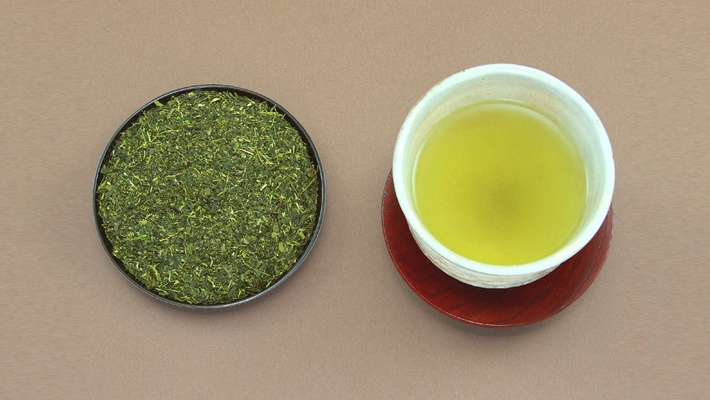
konachaThis tea uses all the leftovers from regular green tea. It’s composed of tea dust, buds, and small leaves. Basically it’s all the stuff that isn’t good enough to go into regular green tea. This is the kind that you’ll most often find for free at restaurants because of how low a grade it is. It is popular to drink with sushi though, which is why most of the restaurants you’ll find this for free at are the cheap sushi places.

I think you’d expect this tea to have a weaker flavor, given it’s just low grade tea – but the flavor for this green tea is actually quite strong. If you really like green tea, you probably won’t mind that though, especially if you are having it with sushi. I don’t prefer konacha myself though.

Powdered Green Tea (Maccha)
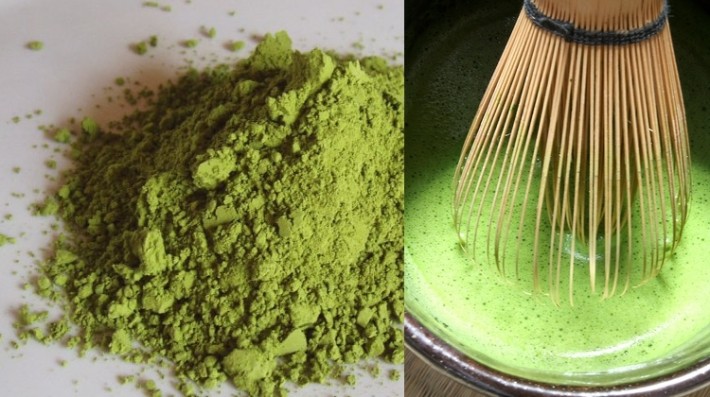
MacchaApparently maccha is the highest grade of green tea, but I think it is probably my least favorite. The highest quality tea leaves are dried and ground into a fine powder which is then mixed with hot water. It’s also the kind of green tea you’ll find served at a tea ceremony.

Maccha is also a very popular flavor for sweets and ice creams in Japan. You’ll find everything from maccha flavored ice cream to maccha flavored Kit Kats. Due to this, I really wish I liked maccha more. I think it’s okay when mixed with something else, or in small doses, but overall, I think maccha is just average. It has more of a bitter, vegetable-like taste that I don’t particularly care for.

Oolong Tea (Oolongcha)
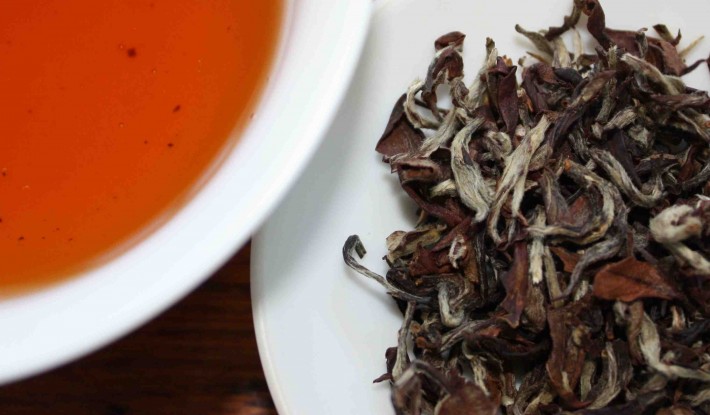
OolongOolong tea is a type of Chinese tea that takes oxidized tea leaves (leaves that are left on their own in a climate-controlled room where they turn progressively darker due to the oxygen exposure) and then steams or roasts them to halt the oxidation process, ranging anywhere from 8% to 85% oxidization. Brown in color, this tea can be served hot or cold and is found all over Japan.

Oolong encompasses many different flavors and varieties. Oolong can be sweet and fruity, or thick and woody. Or any combination in between. I prefer the sweeter, fruitier varieties, but that’s just me.

Black Tea (Kocha)
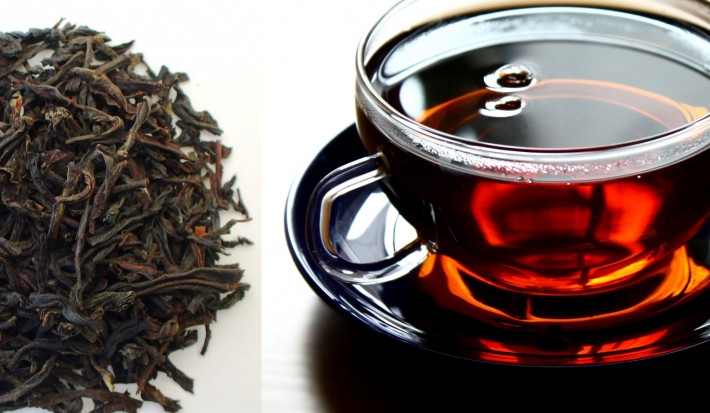
kochaKocha actually means “red tea” in Japanese, the color of the tea is a dark ruddy brown, and the English name of it is “black tea”. Science. These tea leaves are even more oxidized than oolong’s, and it is found most often at Western style cafes and restaurants.

Ah, black tea. I like black tea. Western black teas, Japanese black teas, they’re all great in my book. There are many varieties of black tea as well, but if you’ve had any kind of black tea before, you have a good idea of what you’d be getting yourself into with a black tea in Japan.

Jasmine Tea (Jasmine-cha)
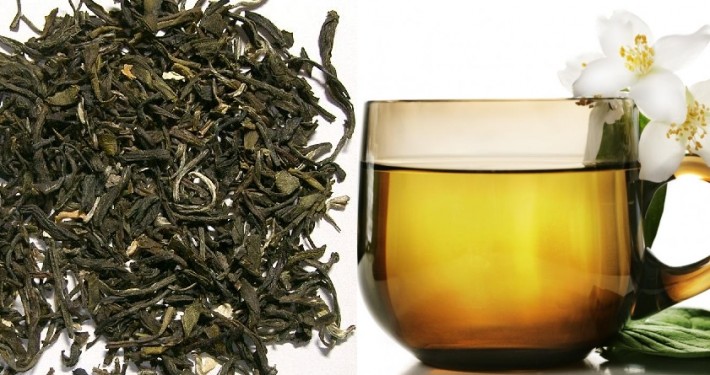
tea-in-a-cup-with-flowersJasmine tea is most popular in Okinawa, but not so much in mainland Japan. It’s made by combining jasmine flowers with either green tea or oolong tea, giving the tea a subtle, flowery taste.

I like how this tea smells, I just don’t like how it tastes. I’ve never really been big on eating things that taste like flower petals, and jasmine tea is one of those things. It’s just weird to me.

Barley Tea (Mugicha)
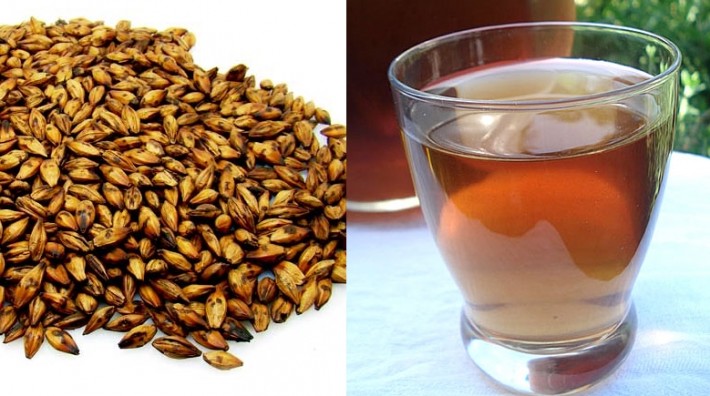
mugichaI hate barley tea. For some reason this is a popular summer drink, where it is served cold – possibly the worst way to experience this tea. It is made by infusing roasted barley into water, and it tastes much like you would expect. Like grain water. It has a burned, bitter taste to it. The best way I can think to explain it is like drinking Cheerios in liquid form. Cold. Blech.

Kelp Tea (Kombucha)

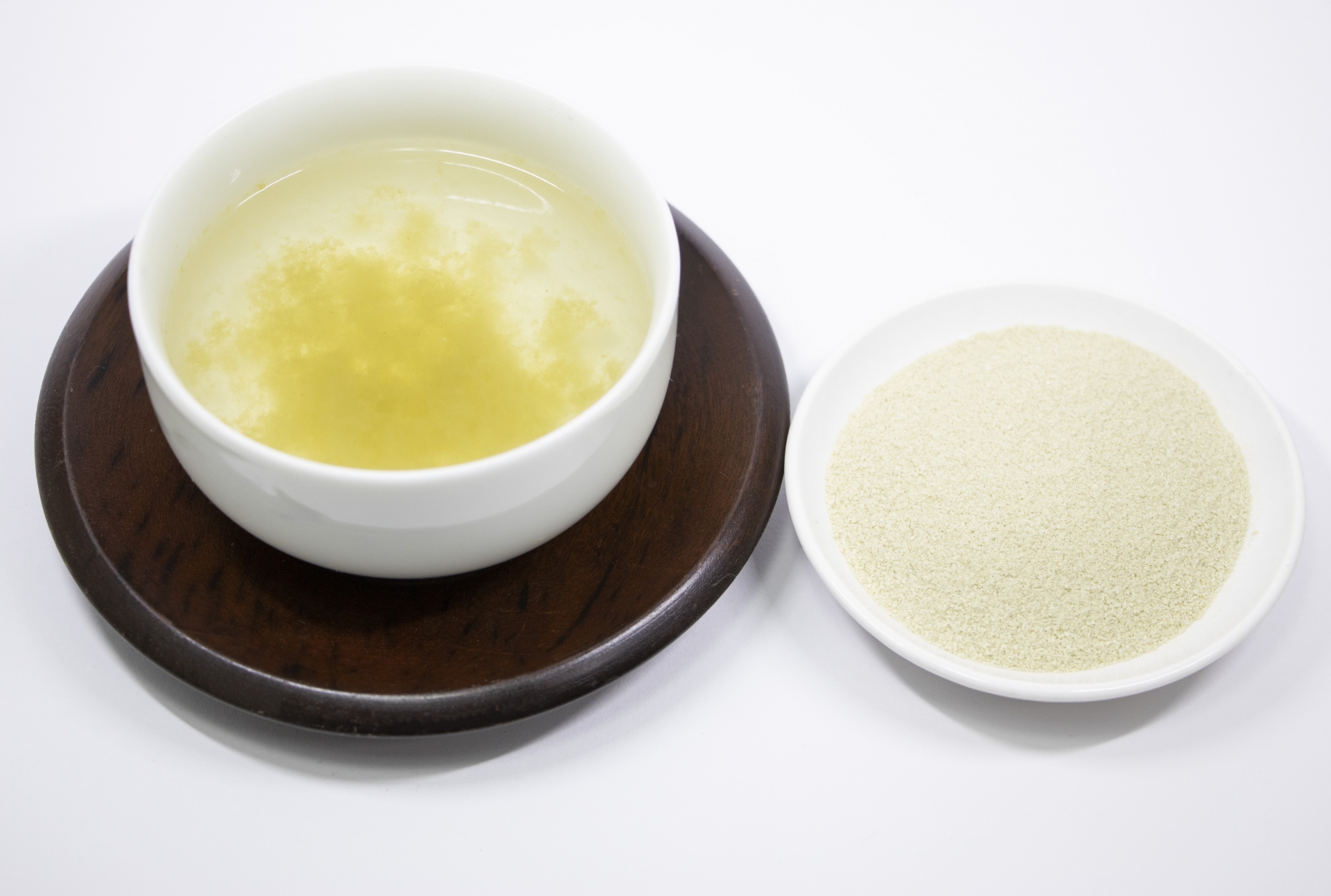
塩昆布茶Okay, so honestly I didn’t even know this was a thing until writing this post, but really? Kelp tea? That sounds terrible. Maybe I just don’t like the ocean enough.

This drink is made by mixing ground or sliced seaweed into hot water. I’m guessing it would taste just as you’d expect. Like the ocean. I dunno about you, but drinking hot ocean water sounds anything but refreshing. Apparently this tea is sometimes served as a welcome drink at ryokans. Pretty risky tea to serve as a welcoming beverage if you ask me.

Also, if anyone has actually experienced kelp tea, please tell me about it in the comments. Is it as icky as it sounds?

Tea, Tea Everywhere!
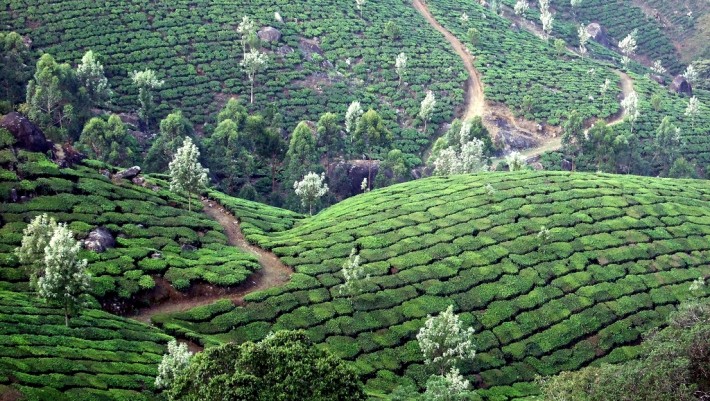
tea

Photo by janealicious

So, have you picked a favorite from the above list? Well where can you find it? Teas of all varieties aren’t really that hard to find in Japan, fortunately. You can find teas at vending machines, restaurants, convenience stores, and supermarkets. You can even find it being served at festivals, temples, and gardens – sometimes for free.

Whether you want some tea in a mug, cup, or bottle, hot, cold, or tepid, instantly, or for later – you’ll find what you are looking for somewhere in Japan. Many bottled varieties are available in Japan’s fancy vending machines as well as convenience stores and markets. Hot tea is less widely available in the summertime, but Japan on the whole thinks that hot drinks are mostly for winter and cold drinks are mostly for summer.

While Japan has teas from all over the world available to them, these are the teas that are either Japanese by nature, or molded into Japanese culture. Japan was first introduced to tea by the Chinese in the 700s, and tea has been a huge part of Japanese culture ever since.


So tell me, which Japanese tea is your favorite? Least favorite? If you happen to dislike all of them, which other variety of tea is your favorite? (Mine’s Earl Grey). Leave your tea thoughts in the comments!

  • hachikuro

    I thought corn tea is more of a korean thing. It’s very fragrant and goes well with meals..
    http://en.wikipedia.org/wiki/Oksusu_cha

  • Stacy Dewing

    Always good to meet a fellow addict ^^
    I’ve never tried the dessert versions, they sound amazing!

  • Tokyo_Ben

    A lot of these teas take some getting used to. I’m American too, so I understand the dislike for bitter teas and no sweetener of any kind, but if you push yourself a little bit, you can learn to like most of these.

    By the way, Jasmine tea, at least in Okinawa, is called さんぴん茶 (Sanpin-cha). And I thought it was pretty good, and not flowery-tasting.

  • Joiytlu

    I love ALL of them!!!

  • Hinoema

    Exactly. The Kombucha in the US is a fermented mushroom tea and it is AWESOME.

  • Emma

    Aw, I love Mugicha!!! It’s my absolute favourite.

  • Kyoto

    Here’s a place in Kyoto. I am sure there are cheaper places but I enjoyed looking around here and having a cuppa.

    http://www.ippodo-tea.co.jp/en/about/kaboku.html

  • John

    Most of the jasmine tea I had was the bottled variety. I’ll have to try some better quality stuff sometime.

  • orangedude

    Thanks for the ideas! I’d never thought about altering the brewtime or temperature; I’m gonna go give it a shot! XD

  • someone

    Whilst the information about the teas was quite interesting, it really does just read very negatively. If I didn’t like green tea already, this would be really offputting. This isn’t the only article you’ve done this in. In my opinion it may be better if you left out some of the bias in your articles or wrote about things you felt more passionate about — I’ve noticed quite a few have been written about topics you don’t know really anything about until you write them.

    Don’t take this badly, just trying to give a bit of constructive criticism! You and your articles have the potential to be a lot better and I have enjoyed quite a few of your articles in the past.

  • Alicia

    Genmaicha is my favourite.

  • Zaza

    Hi. Green teas need to be brewed correctly to taste very good. Temperature of the water is very important, cooler than for black tea. Some green teas have wonderful fragrances of candy and plants, they are good to taste and smell. I have to agree that your writing an article about all the teas you don’t like and more importantly aren’t familar with isn’t really appropriate or satisfying to read. It’s fine to not like things, and its ok to express distaste, but why write an article about a broad subject if your personal tastes are limited?

  • John

    Thanks! I’ll keep this in mind in the future.

  • Itsumo Japan

    I agree, I love Mugicha! It’s so refreshing ^_^

  • Heiangirl

    Any suggestion on brand? I have wanted to try it but hesitant to spend a lot on something I may not like!

  • Heiangirl

    You must have has a bad tasting experience with maccha too. The higher quality is not the least bitter but even so a rakugan or some small treat helps sweeten your palate if you find it that way. It might be an acquired taste for some. I took to it immediately even though the first one I had was quite bitter, served at a castle/museum/cafe counter. The red bean paste really helped.

    I love sencha and would say it is also an acquired taste. I especially like Fukumushi sencha which I buy from Ochadokoro Sanwa. I do drink Houjicha in the evenings because of low caffeine. My newest startling discovery is kabusecha “Gion” which is like a distilled essence of sencha.

  • mmmfruit

    I drink Itoen (伊藤園) mugi-cha, both as tea bags that you can brew at home, or bottled. Itoen is a popular brand which is also imported outside of Japan, so I’ve been able to pick it up at Japanese or Asian supermarkets. It’s the same brand I found in the vending machines while in Japan. DyDo also makes one and I recall the taste being similar.

  • Heiangirl

    Thanks, i have jotted that down and will look for it.

  • Heiangirl

    John you didn’t mention Sakura tea made from salted cherry blossoms and usually served at weddings. I have just ordered some to try “sakura rice” with.

  • Kyushukid

    Sencha is definitely acquired. I drink it every morning now, though.

  • Kyushukid

    Thanks for this great overview of teas! I think you might need to give some teas another shot (I was sad you didn’t like matcha! It must not have been very well prepared…). I live in Japan and recently attended a “tea lesson” taught by my prefecture’s tea master. I learned that matcha is grown under special slatted shades so that the leaves produce more chlorophyll. That’s what makes them so brittle and easy to grind into powder! Pretty cool. Also, there is a black tea grown here in Kyushu that has been bred to be non-acidic, and it’s really good!

    At least where I live, in Kyushu (which, let’s face it, is the Alabama of Japan), sencha and (maayyyybe) houjicha are the go-to drinks for people. In Summer there’s mugi-cha too, of course. I almost never see people drinking all these other teas out and about, so maybe they do so at home? I know I prefer a good genmai-cha in my house.

    Anyway, I agree with the comments below that maybe it came across a bit negative, but I could see you didn’t mean it that way. Keep up the good work :)

  • Trinh Nam

    Hi. I really like Japanese tea. I drink tea in the bottle from my company’s store every day

  • Marie

    How can you do such a disservice to mugicha? It is THE drink of summer. It’s freaking delicious. Even if you don’t like it, readers with no experience will be primed to be wary of it from the start. Thanks.

  • Ken

    There is also Ume-kobu-cha (Plum&kelp-tea) which cures hung-over.

  • Ken

    You had better try Gyokuro, top grade green tea, along Sannenzaka to Kiyomizu temple in Kyoto though it is very expensive.

  • John

    That sounds terrible xD

  • Allinea

    I fell in love with mugicha when I had a homestay in Japan last summer. I object to the idea that it tastes like watery Cheetos. If anything, it’s a less-bitter coffee flavor, which is one reason I like it so much. I agree with a number of other comments: that this came off as a more negative article. It’s be a shame for someone looking for a new type of tea to try, to avoid certain teas just because you didn’t like them and thus gave them a bad description :( Just as beauty is in the eye of the beholder, so too is flavor.

  • D’Angelo Cox

    Hey, I didn’t find your article negative at all. I thought it was very informative! I came away with a lot of info I hadn’t know before. The fact that you expressed your honest opinion was expected and appreciated. You have every right to express your opinion, it’s your article. Why would that be inappropriate? I don’t care if you hated ALL of them, it’s an insightful read. So thanks for the lesson in Japanese teas, now I know a little bit more than what I expected. :) Ja!

  • ID484

    Honestly I disagree with what was said below. I didn’t find what you wrote ‘off putting’ at all. On the contrary I found your interjections personal enough for me to agree that you had history in tasting, as well as choosing teas that you enjoyed. In a way it made me feel more apt to try the those I’d never have picked up. I am someone who enjoys understanding what’s being said, and getting closer to the experience of the writer, so I very much enjoyed reading this. Thank you very much. Keep doing what you do. :)

  • orinocowomble

    Is it true that the Japanese make their tea much weaker than in the UK and US? How much would they use for 2 cups of tea?