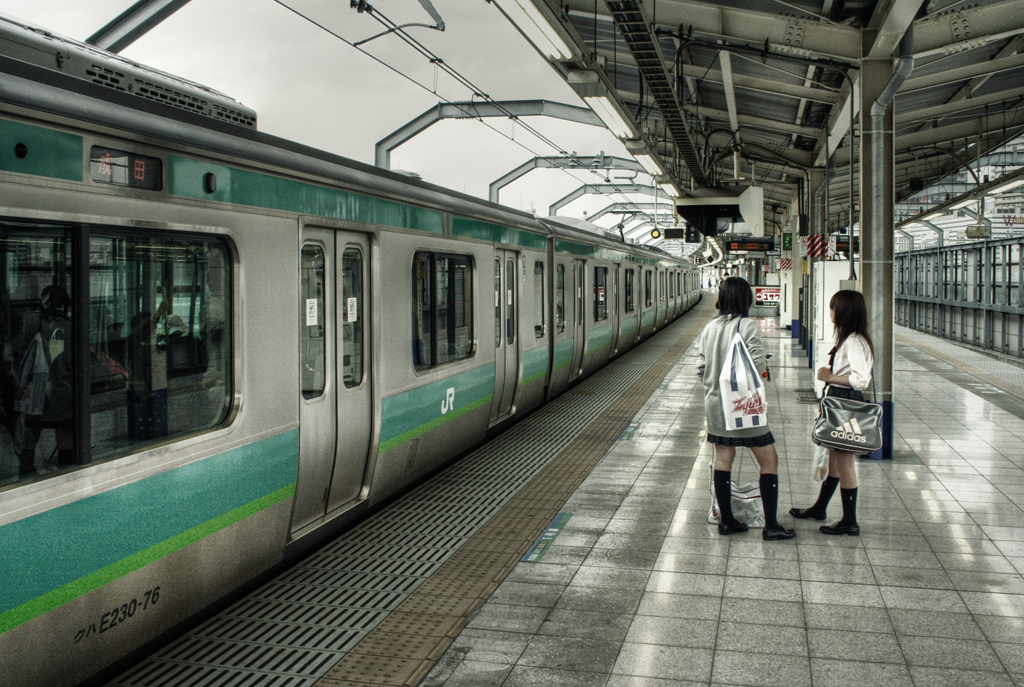
The Best (and Worst) Things About Living in Japan

There comes a time in every Japan lover’s life when they find themselves considering the inevitable: Should I live in Japan? It’s something that’s crossed my mind before and has even become a reality for many of my good friends from college.

To help anyone else who has been thinking about packing up and moving to the Land of the Rising Sun, I’ve put together this helpful list. I talked to some of my friends currently living in Japan to get their opinions, put it together with what I learned from being in Japan for 10 weeks, and compiled it all into this post. Hopefully you find it useful and informative.

PRO #1: The Shopping and Convenience Stores
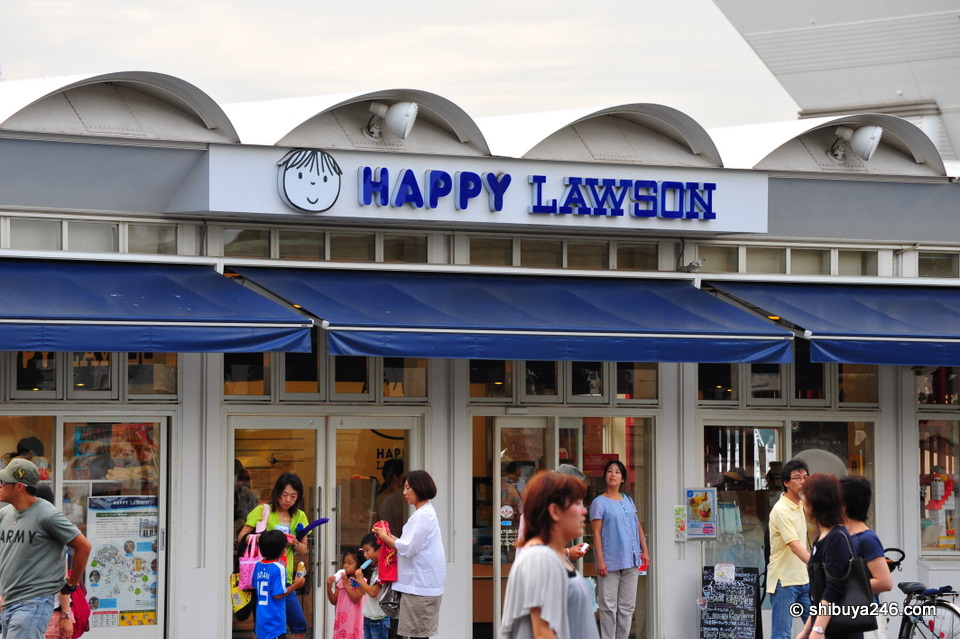
Convenience stores in Japan are awesome. You can find almost anything there, and they’re always clean, well serviced, and safe. Compared to the average American convenience store it’s like night and day. Their shopping centers are pretty awesome too, but I suppose this can be said about most modern nations. To learn more, you can check out Hashi’s post on how Convenience Stores In Japan are Surprisingly Convenient.

CON #1: No Individualism
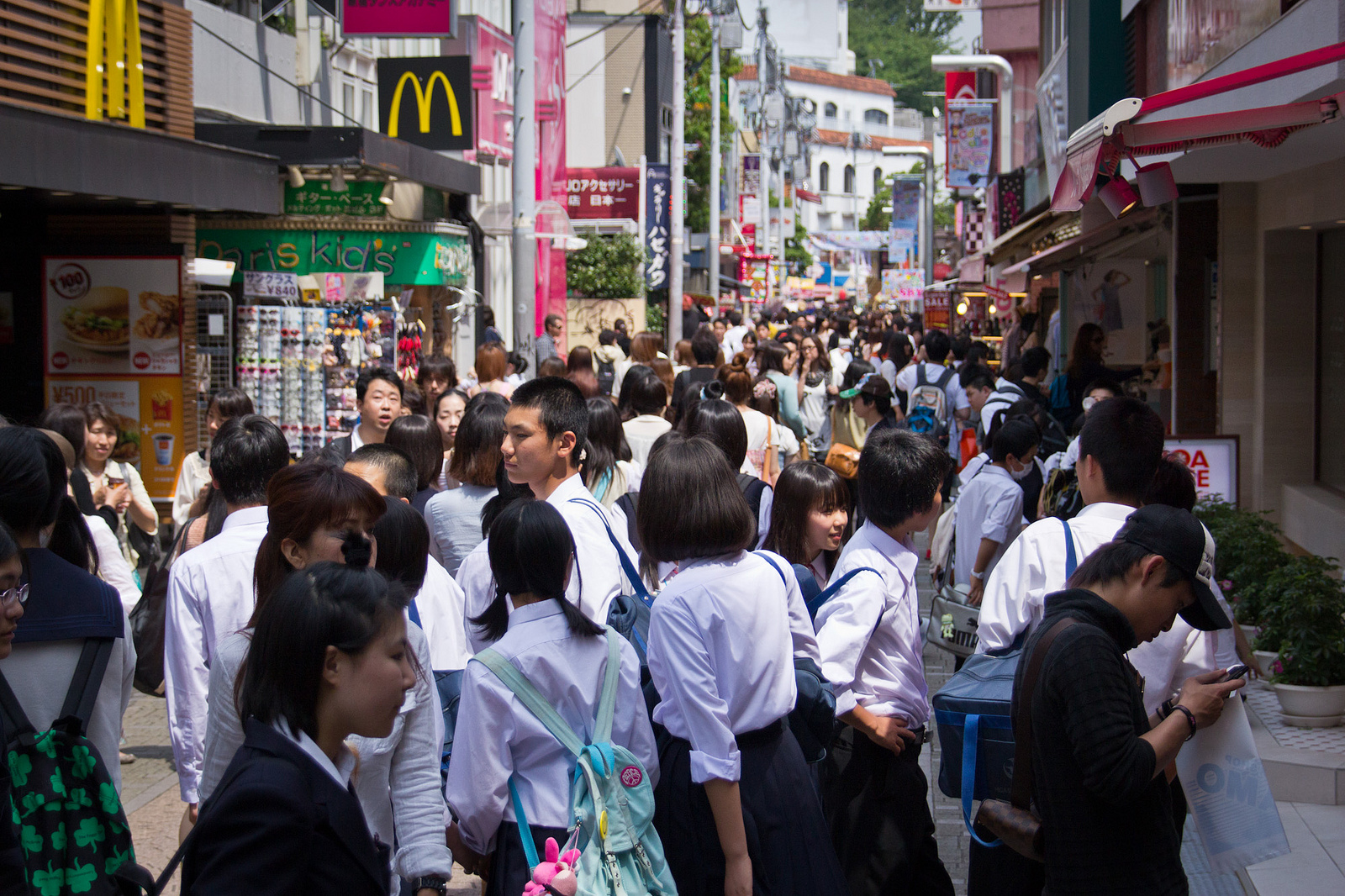
To some, this may be viewed as either a pro or a con (some people like group mentality way more than others), but for the average American/Westerner, the strict group mentality of Japan can be a bit jarring. Everyone has to be involved in business decisions and meetings can take forever as a result with people feeling like nothing is getting done.

This is kind of a broad generalization though, but I would say on the whole, Japan is much more group minded than the average Western nation. But like I said, some people really enjoy this sense of community that comes with the group mentality. For more about Japan and this issue, you can check out Hashi’s post on The Nail That Sticks Up.


PRO #2: The Food
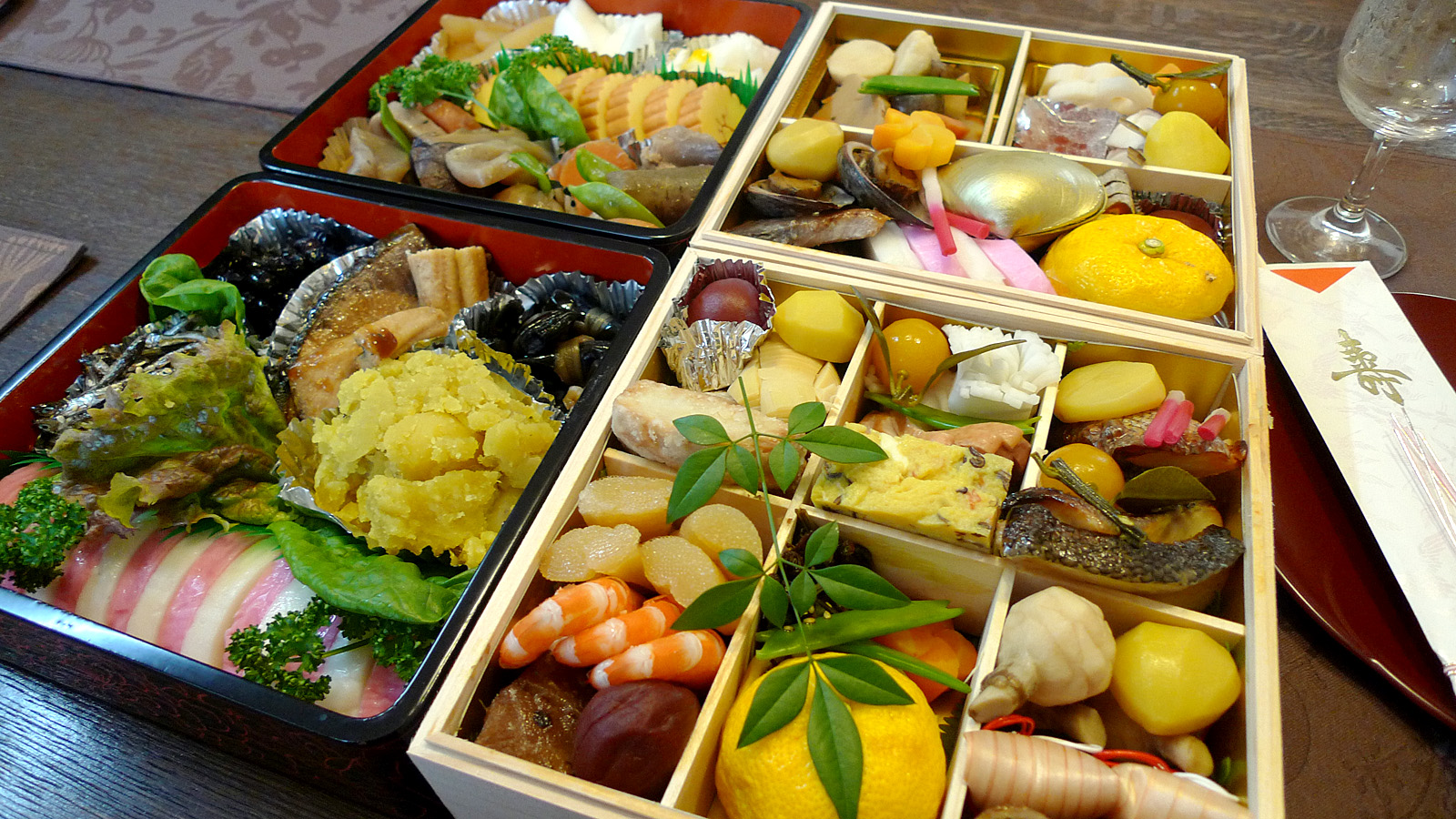
Japanese food is great. It’s healthy, tastes great, and is fun to eat. They have everything from sushi, to okonomiyaki, to fugu. Compared to an average American diet, the average Japanese diet is much healthier. It’s definitely a large part of Why Japanese People Live so Long. For more about Japan and its crazy healthy diets, you can check out Koichi’s series of posts on How To Eat Like A Japanese Buddhist Monk.

CON #2: The Food
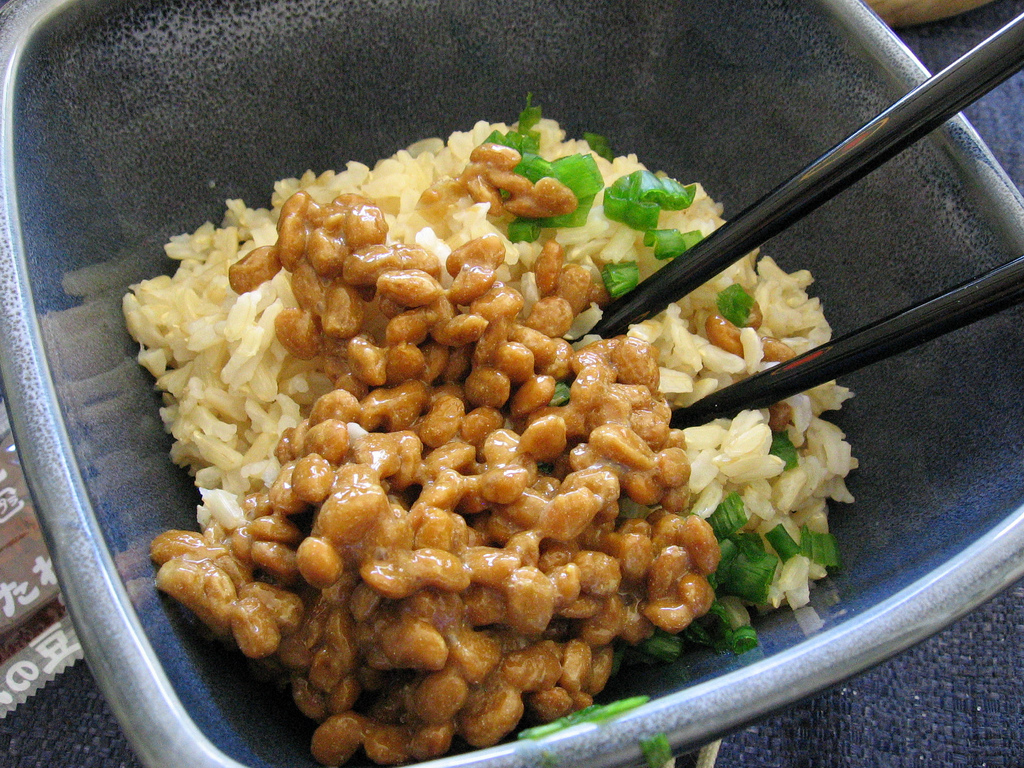
Ain’t nuthin’ quite like a big bowl o’ cod sperm.

Yes, for some people Japanese food is not a pro, but a con. Seafood and rice is not for everyone, and if you can’t handle it then you’re not going to be quite as happy living in Japan. Sure, you can find other stuff, I mean, Japan has a pretty awesome selection of fast food joints, but it’s definitely not going to be like home. Some things are even pretty hard to find in Japan, such as root beer.

Since Japan is an island nation, seafood is going to be the cheapest and most readily available food, with imported goods being a bit less accessible and a bit more expensive. For a look at some of the Japanese dishes very few would enjoy, you can check out Fiona’s post on her Selection of Wonderfully Weird Japanese Foods.


PRO #3: Improving Your Japanese

Okay, so maybe this one is kind of obvious. Of course if you go to Japan and totally immerse yourself in the language and culture and society and everything, your language skills are going to benefit much more than if you were back at home in your native land. But maybe this is the main reason you’re moving to Japan, so you can get better at the language.

In Japan you’ll find no shortage of people willing to talk to you and some will probably be interested in practicing their English skills with you. And for those of you who lack the means to travel to Japan for study, you can check out my guide on How to Learn Japanese Without Really Doing Anything.

CON #3: Less then Ideal Living Quarters

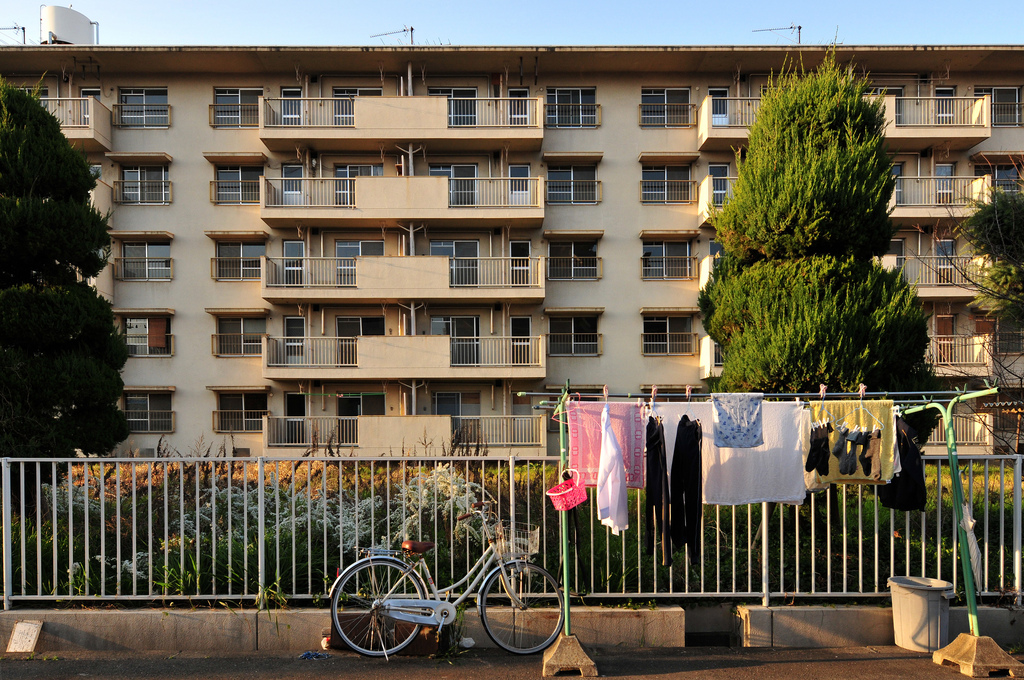
Of course this one depends on what area of Japan you find yourself living in, but on the whole, Japanese housing is going to be a bit smaller and a bit less cushy than what you’re used to. Out in more rural areas, you might get lucky and find a place of decent size, but most often you’ll be housed in a place a good bit smaller than what you’re used to.

Also, central air and heating are a bit less common over there than they might be in places like America, so that’s another little annoyance to keep in mind as well. For more on this, you can check out Hashi’s posts on whether or not Japanese Houses are Worthless, and how Japan Keeps Warm in the Winter.


PRO #4: Getting a Job

Probably the easiest way to get yourself over to Japan is by getting yourself a teaching job there. Luckily, there always seems to be an abundance of positions available, because Japan always wants to learn more English. For some people, the job market isn’t so hot in their home country, so getting a teaching job in Japan can seem like an attractive option. This is what many of my college friends ended up doing after graduation. You get living quarters provided for you, and you get a steady job and a paycheck. For more about how to land such a teaching job, you can check out Koichi’s post on Applying for the JET Program with Jason and his Argonauts.

CON #4: Working in Japan can Suck

So, yeah – they give you a teaching job, but it’s not always ideal. Take a look and some quotes from my friends who are currently living and teaching there now.

I think people work too hard here. People stay at work for upwards of 15 hours every day. Before moving here I thought I would eventually want to work in the business world here, but now I’m not so sure anymore. People have no time to see their families and it’s not weird for kids to almost never see their own father.

Yes, the work hours can be pretty harsh – even for a teacher. Of course it depends on where you’re working and what program it is with, but overall I’d say that the work life is much more stressful over there than your typical Western country.

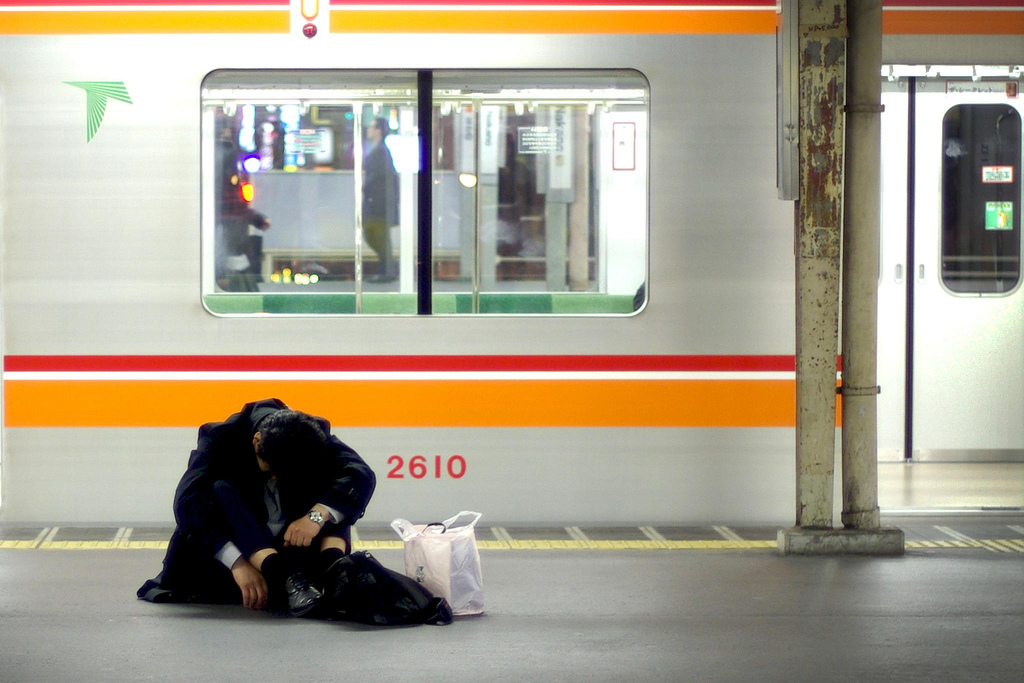
It’s ridiculous that people show up 15 minutes early and stay 90 minutes late every day. It’s expected that if you are sick, you use a vacation day rather than a sick day. And to be hire-able at your next job you need to show that you’ve used as few vacation days as possible.

It’s also not too rare for people to have to take weeks or months off of work due to “mental illness” but it’s actually because they are so #$!%*&@ overworked and stressed out.

When my grandma died, my supervisors expected that I would follow the same rules as everybody else. You get one or two days off work for grieving and travel to the funeral, any other time is to be vacation time. So I had to pull out my contract and remind them that they agreed to give me a week in such an event. So yeah, moral of the story: Japanese people are overworked and under social pressure not to relax.

This all sounds pretty lousy to me. I mean, my job isn’t very stressful at all, but I still really look forward to my days off and just having time to relax. I can’t imagine living and working in Japan being so stressed out and then being discouraged to take time off. It sounds awful. And for more on the subject, feel free to check out Koichi’s post on how Teaching English in Japan is Total BS.


PRO #5: Public Transport

Compared to American public transport at least, Japanese public transport is unbelievably awesome. In Europe and other countries, it’s probably pretty good as well, but the Japanese have really got it down pat. Their subway and train systems are crazy convenient, accurate, and make getting around the country so much easier. Even their buses are awesome.

When I was in Japan, I never felt like having a car would have made my life more convenient. Having such a integrated system of public transport made getting around very easy and simple and it’s one of the things I miss most. Japan sure does love its trains though. For more about that, you can check out Hashi’s post on Japan’s Love Affair With Trains.

CON #5: Prejudice Against Foreigners

Again, this is one of those cons that depends on the people you’re with and the area in which you find yourself. It also seems to depend on the age of Japanese people you’re around as the younger crowd seems much more tolerant of foreigners. I’ve heard some of my friends talking about how whenever they walk around in Japan, older Japanese folk will click their tongues when they see Americans. Like they are tsk tsk-ing them for showing themselves in public.

Overall, I would say that it’s not too bad, and to an extent probably depends on the person (what you look like, how you dress, and if you’re with Japanese friends when you’re out), but if you’re already finding yourself isolated and not making friends in Japan, people scoffing at you in public will only add to your depression. For more on this, you can check out Japan Focus’ post about Japan’s Entrenched Discrimination Toward Foreigners.


And there you have it, some of the best and worst things about living in Japan. I feel as though some of these can only really be experienced when you’re living there on your own, but some can be realized only after a few days of travel there. Japan is a great country and a fun place to visit. But would I ever want to live and work there though? I can’t say. Maybe sometime in the future, but for now, I’m happy where I am.

So tell me, what are your favorite (and least favorite) things about Japan and how they do things there? Have you ever lived in Japan before? Ever had any first hand experiences with any of the issues listed above? Any interesting stories to share? Let us know in the comments!

  • kuyaChristian

    The first thing I saw was Girls’ Generation [omg SNSD!!]. Though they’re Korean, to know they do promotions quite a lot in Japan…I’m sold. I’m going to Japan :P

  • http://www.facebook.com/profile.php?id=1484624515 Stephen Thomas Garr

    I would like to visit and maybe live there, ofcourse I would have to find a job that didn’t blow/ work from home.

  • http://twitter.com/dimitribouniol Dimitri Bouniol

    Another con, which will probably keep me from ever living there (though I would visit as much as a traveler’s visa allows!) is inflexible administrations, probably deeply related to individualism that you brought up above.

    Also, I find small living quarters a plus, not a con :P

  • Kering

    Thank you great article… !!!

  • Mashimaro

    All those cons, worth the pros! I was in Japan for 2 months and I already decided I want to live there… It’s just saving up money and getting a job without a degree that ruin my life! Otherwise I’d already been living there lol

  • http://twitter.com/tariqlacy Tariq Lacy

    I live in West Shinjuku, a district of central Tokyo, and I’m glad you highlighted some really great and disdainful aspects of the country.

    Whether your experience in Japan is ‘good’ or bad depends 39% on your work environment, 33% on your location (inner-city Tokyo, Osaka, out in the boonies, etc.), and 28% on your proficiency in Japanese.

    The work environment means so much because that’s where you’ll be making the majority of your friends (unless you meet up with interest groups in your free time); the location is vital because no one wants to travel far to get together, or make up an excuse to take their last train at around 10:30pm when everyone else is in the midst of an intense night out (the case for those who live south of Yokohama who need to leave from Nakameguro, etc.); proficiency in Japanese means more than I originally anticipated. I began to realize this when my friends began to complain about the shallow conversations they were experiencing with their Japanese counterparts. The truth is that you’ve got to get your friends a little intoxicated (the art of nommunication) before most of the thoughts in their heads begin to flow out of their mouth. It’s a disconcerting truth (slightly for some) that I suggest you get used to.

    I just made up those numbers, but I hope they give you an idea of what to focus on and consider before you make the trek out here. One more point to make is that this place is far easier for an atheist to live than for those of a religious background (especially for those who still actively practice their faith).

  • http://www.facebook.com/profile.php?id=1550596562 Alexa VanDemark

    I went for a study trip for ten days a few summers ago in Osaka, with 31 other very-American-looking Americans. We were all studying Japanese, and were fluent to the point of being able to hold a conversation. My friend and I went to a mall the day after we got there to look around and this younger couple, probably in their twenties, walked up to us while we were looking at some yukata and said in English, “Can we help you?” I smiled and said “No thank you” without thinking about it, but as my friend and I walked away, I realized they were probably making fun of us, for being American. (C’mon, we Americans are touristy! We go to foreign nations without knowing the language!) I don’t know if this is a common thing or if we just got some bad luck, but it’s something I definitely remember with an ill feeling whenever I think about how I could be seen when I go there to study abroad.

  • Mescale

    I’d like to hear view points of different types of gaijin living in Japan, often the points of view are from Americans, which is nice, but culturally quite different from other countries.

  • http://twitter.com/tariqlacy Tariq Lacy

    Naw, you weren’t being made fun of — it’s likely they genuinely wanted to help you, especially if it’s a couple. Learn how to brush that sort of thing off, or you’ll be paranoid every time you come over here.

  • http://twitter.com/tariqlacy Tariq Lacy

    If the foreign person doesn’t speak English, then they are definitely working either a manual labor job, or if they are lucky, working as a nurse or a retail sales rep. This being an English news site, I’d say your only remaining choices are those from the UK, Singapore, Canada and Australia (mostly).

  • Mescale

    I believe there is at least one German person who lives in Japan and speaks English and posts comments on Tofugu.

    The reason I ask is what an American expects will be different to what other nationalities expect.

    For instance with apartment size, in the UK or France in metropolitan areas, especially capitals, apartments are expensive and small.

    For instance when I lived in France, in a suburb of Paris, I had a 26 square meter apartment for 520 euros a month, which was an very good size / price, for that kind of size it would usually be more like 700 euros. Move in towards Paris and you’d be looking at thousands of Euros per month.

    I’ve heard Americans saying that apartments in the UK are small as well, so without knowing what constitutes small or big or whatever by an American I can’t really be guided by their expectations.

  • http://twitter.com/tariqlacy Tariq Lacy

    Good luck with that — especially because, in the case of apartments, they aren’t measured in square meters or feet; they are measured in tatami mat spaces, even if the rooms are western style. Note: 1 tatami mat is 85.5cm wide and 179cm in length (about 33.5 by 70.5 inches) = 1.53 meters.

  • Mescale

    Why good luck?

    I don’t understand what you are saying. Good luck in getting an answer? Good luck in getting an apartment that size for the money…?

    A tatami mat is still an area, so its about 1.5 square meters.

    So how many tatami mats is a typical apartment and how many yens do they go for?

  • http://twitter.com/Musouka Musouka

    Great article. Under CON #2, I think it should be mentioned that vegans (and to some degrees vegetarians) would find it hard to manage.

    I would also say that dealing with garbage should be listed as a major con.

    http://blogs.afp.com/correspondent/?post/2012/08/01/In-Japan%2c-best-to-know-your-garbage

    And while buses are awesome, I initially got confused when I went to Tokyo after using the ones in Kansai for more than a week. I guess that’s something you would get used to in the area you live, though.

  • Orphe

    They are Korean. But, most of Kpop stars extend their market to Japan since they are able to sing in Japanese with little effort.

  • http://www.facebook.com/people/Ines-Tsukiyomi/685982356 Ines Tsukiyomi

    It is REEEEAALLY hard find trash cans/bins anywhere O.o and when u’re at public restroom they don’t have handpaper O.O only those dryer thingies…
    Also, u can’t eat while walking o.o strange…
    But I love Japan and japanese, so helpful and kind ^^ they cheer up when I say I’m from Finland lol
    I do wanna try living there someday :3

  • Guest

    I can understand a little bit them being against foreigners.

  • http://www.facebook.com/people/Shaun-Krislock/553071502 Shaun Krislock

    Another nicely laid out Tofugu article, thanks John. I’d like to add a few Pros and Cons from my experience:

    Pro: Baths. I miss being able to soak in my Japanese bath every day, sitting more upright with only my head sticking out of the water. And that post-bath beer…. ummmmm doesn’t get much better than that.

    Con: HOT HUMID SUMMER. It’s enough to make a Canadian boy from Alberta melt. 38 degrees with 95% humidity? The walk to the subway station was pretty long and sweaty on those days. +1 for Hokkaido though, as I hear it’s much nicer up there.

    Pro: Since you already covered the food, I won’t mention Mos Burger here, so let’s go with this one: Safety. Sure, there are some cracks in the armour here and there, but overall you don’t have to be watching your back when you’re out and about.

    Con: This speaks to how much better your experience is as your language skill improves, but even after a few years I still struggled with this one: not knowing what the heck is going on around you. I had no idea what was going on politically or socially when I was there, and then within groups there is a lot of non-verbal and social-norm sort of communication that goes on that you just don’t *get* for a while. I think this is a great example of “the more you put into it, the more you get out of it”.

  • http://www.facebook.com/anna.yulin Anna Yulin

    I can understand a little bit their ‘hate’ towards foreigners. I always thought Japanese were strange, weird and cool all together, but after watching some Japanese TV shows it just struck me how different their culture is from everyone else. That what makes me wary about living there. I wouldn’t know how to act in the simplest scenarios. Maybe it just comes with the time.
    But I WILL go travel there at least for couple months :)

    Thank you for the article!!!

  • http://espo.in/ Jonas

    I have to say that I disagree with some of the cons here. I agree on your point about individualism, but indeed it’s a generalization, and one that I don’t personally notice very often.

    I highly disagree on the food being a con. I find Japan to be one of the best countries for foreign cuisine, the problem is that most foreigners don’t look in the right places. My tip would be to get off the main street and look up. A lot (most in fact) of the good restaurants are not located on the bottom floor like they tend to be in western countries. It might be a bit scary at first, but you’ll get used to it. Another tip would be to go to places like Shimokitazawa and Koenji, those places are crowded with interesting restaurants, cafes and bars run by young and worldly Japanese people who are more than happy to talk with foreigners such as myself.

    I have, sometimes, had trouble finding the right ingredients when I cook on my own however…

    But enough about food. Living quarters, a con? For some maybe. But again, this also has a lot to do with most people not knowing where to look. My recommendation here would be to not be afraid of sharing. Japan (in and around Tokyo especially) has some of the most amazing shared houses and apartments, and I’m not talking about Sakura House, Oak House or any of those famous ones, those are complete and utter crap. Instead of paying 100,000 yen for a small but decent studio apartment, pay 60-90,000 yen for a private room in a shared house. You get a lot more for your money if you do that. Last time I paid around 60,000 and for that I could live in a place with a big and great kitchen, living room with a big lcd tv with tv games and sound system, a play room with a pool table, darts etc., a small gym, smoking rooms, clean showers and so on and so on. The big plus about these places is that Japanese people choose to live there themselves, I’d say 70-80% of the people living there are Japanese. And they don’t choose it because it’s cheap, they could just as well get their own place, but they do it because it’s a great deal and it’s a lot more fun than living alone.

    Prejudice against foreigners is nothing I’ve experienced myself, but I guess most people don’t really have any opinions about Swedish people… which I find being both sad and awesome :P

    I think I should probably stop there… damn that’s a long comment!

  • http://espo.in/ Jonas

    I’m not sure what age you think we’re living in. Nowadays the estate agencies in and around the big cities of Japan measure apartments in square meters. I don’t think any of my Japanese friends or girlfriend would be able to answer how big their apartments are in tatami.

  • Maryam Alshatti

    hello, firs of all thamk you very much for the useful info. my name is Maryam. from Kuwait. right now i’m studying japanese in Kuwait universty as non craded course. but i really want to study more and leaarn more about japanese cultcure. and after improving my japanese i’ll go and study there. this info it help me alot. thanx ^^

  • http://espo.in/ Jonas

    My girlfriend pays about 950 euros for a 26 square meter apartment roughly 6 minutes from the center of Shinjuku. But that’s a bit more than you have to pay, she opts to pay a bit more for higher security. There’s plenty of cheaper options available.

    Hope that helps.

  • 古戸ヱリカ

    Good luck in finding out why your being wished good luck!

  • 古戸ヱリカ

    Even if the summers are much hotter than ours, I think it evens out, since they have the better sounding cicadas.

    …What do you mean, misplaced priorities?

  • John

    Yeah, I agree – a lot of this is personal preference and pretty sweeping generalizations. Much of it depends on location and people and all that. And thanks for the comment! I’m really enjoying the feedback and discussions that are happening in the comments here. They add that much more to those thinking about living in Japan so I really appreciate your input!

  • John

    I TOTALLY forgot about the lack of trash cans when out in Japan! Haha, thanks for reminding me – yeah that really bugged me when I was over there.

  • Jeremy

    My wife (shorter than the average woman in the US) says the best part of living in Japan is that she can reach the top shelf at the stores.

  • Tora.Silver

    That area under Pro #5 looks beautiful. Where is that from?

  • milos81

    Great post, John. Very informative.

  • http://project-kathryn.blogspot.com/ kathryn

    Discrimination against foreigners goes a lot further than old people tsking. If you want to live in Japan long-term, you face discrimination when trying to find housing and things like that. One of the hardest parts of living in Japan for me was the condensation. No matter how long you live there, you are always treated like you are just off the plane.

    Japan is a very racist and sexist society. Anyone who lives there and says they haven’t experienced that, is fooling themselves or justifying behaviour in the Japanese that they wouldn’t at home.

    Teaching English is an ok job if you are just out of uni but they pay is around $3000 a month. Not that great really. Plus, unless you are very lucky, there is no career path. Experience doesn’t count for much and so after a few years you are still on the bottom rung of the ladder.

  • ZXNova

    No use dwelling on the negative. Might as well be happy where you’re at, and focus on the positive.

  • John

    Tokyo, I believe – not sure which area though.

  • DAVIDPD

    Even the “weird” food is delicious! After all this site is partially named after one of those “weird” foods.

  • R. Ali

    hmmm… what we all need to do is pool our money and start a school and/or a restaurant over there… that way we have employment and get to set our own hours. :p 9 to 5 FTW! ^_^

  • http://www.facebook.com/tanner.m.colvin Tanner M Colvin

    In regards to unabashed discrimination I thankfully had very few nasty experiences while I was abroad. It really does vary by age. Though I had only two problems regarding discrimination, both were exclusively with the middle-age corporate salarymen. One of these encounters involved simply passing a guy on my bike on the sidewalk and he completely flipped out. Telling me that I couldn’t ride on the sidewalk in the least subtle way possible. What made it even more hilarious was how another Japanese guy was riding his bike down the sidewalk in the opposite direction.

    It’s obviously different for everybody, but I only ran into problems with the older male working class demographic. I guess after being worked like a dog all day they just take their crap out on everyone around them and the easiest targets happen to be foreigners.

  • foozlesprite

    If you’re interested in more pros and cons of living in Japan, Google up “1000 things about Japan”. It’s an ongoing blog run by a woman who lived in Japan for many years, and has some interesting stuff to say–I’ve learned a lot about different aspects of Japanese culture by following 1000 Things.

    Obviously, with 1000 things, some will be trivial, and everybody’s opinions differ, but it’s interesting nonetheless :)

  • http://www.totorotimes.com/ Jordy Meow • Totoro Times

    Not a word about earthquakes and natural disaster? Really?

    I lived in Japan for almost 5 years, and experienced the 2011′s earthquake (luckily not the tsunami) from the 42th floor of a tower located in central Tokyo. Knowing that this was a relatively “small” earthquake for Tokyo, everyday I think about the long-awaited big one that will be way more powerful and destructive. Everyday I look at the paintings hanged-up on the wall in my company and they’re swaying constantly. I know that it is not because there is an earthquake, but after what happened you pay this attention to all the details around you. Of course, you can share your worries with your colleagues but they would reply things like: “well, we have to die of something”, “that’s life”, “at least we’ll all die together”, etc… reassuring? ;)

    This is the biggest and #1 con for me. I love Japan, and I also love the company I work for, unfortunately the package comes with constant fear. Of course, I am still a special case, working in a very tall tower + in Tokyo, after having experienced a big earthquake.

    Another con is, once you lived here, life anywhere else seems to be SO HARD. Japan is so convenient and “friendly” that it makes you wonder how you could go back home someday. Along with the previous con, you can imagine the struggle it is :)

    Last con but not the least, the prices (transportation, food in the supermarket), accessibility of sports centers (except if you are going to the odd-looking and cheap community sport center, all the others are crazily expensive), and the huge traffic jams.

    I will not talk about the pros because there are way too many and they are overwhelming, but let’s say that: they beat the fact that I am afraid (stupid thought but still a thought) of losing my own life! ;)

  • Cheeses

    Why? Japan is one of the few Asian countries to never have been colonized – and in fact, they colonized a large chunk of Asia. If you mean, “They should be against foreigners because they know full well that many Asians have very real grudges to hold against them,” then, yes. They ought to be wary of foreigners. But, to be perfectly honest, in the context of global history, Japan has had a really, really easy time interacting with foreign powers – again, never colonized. Are you referring to the A-bomb? The A-bomb that was dropped in order to end the war that Japan started?

    No, their binary racism (divide the entire world up into “Japan” and “foreign”) is honestly and frankly unacceptable in the 21st century. Japanese racism is, frankly, absurd and laughable.

    Let me give you an example: many Japanese people will say, “Japanese people do not commit crimes. 90% of the crime in Japan is committed by non-Japanese people, mostly Japanese-born Koreans.”

    Hm, so all the crime in Japan is done by Koreans? Let’s look at that: Japan invaded and colonized Korea and forced many Koreans to come work in Japanese factories in slave labor conditions during the war. And now they want to blame all their problems on Koreans? The people that they invaded, oppressed and even tried to wipe off the face of the planet?

    Yes, that makes perfect sense. “We invaded their home, and then forced them to work in Japan, but they are totally the cause of all of OUR problems, not the other way around.”

    Say whatever else you want about Japan – I absolutely love this country – but their racism is some of the stupidest, most hypocritical bullshit I have ever seen.

  • SusiePlummer

    A lot of the comments on here seem to be coming from people who have only lived in Tokyo, and I think it’s important to remember how different the experience there will be to the rest of the country. I’m living about 20 minutes outside of Sendai, so not exactly in the sticks, but the experience here is completely different to ones outlined by Tokyo based commenters below.

    Prejudice, access to foreign food (both restaurants and ingredients), meeting people (Japanese and foreign) who speak some English, public transport (yes it’s always on time and very clean but it doesn’t go to a lot of more rural places) and finding accommodation are all much much more challenging here than in Tokyo. I’m not saying that there are more cons than pros at all, but living in Tokyo (like most capital cities) is a totally different experience to the rest of the county.

  • SusiePlummer

    All good and interesting points, but only relevant to living in Tokyo (and maybe Osaka/Kyoto). Outside of those cities, there aren’t the worldly areas you talk about, or the genuine foreign restaurants, no matter where you look (obviously the occasional isolated one but not many). There also aren’t really shared houses, or certainly not ones that a foreigner would ever be allowed in (except perhaps a few that are solely for students). Prejudice is also something that is very very obvious outside Tokyo, and I don’t think actual nationality makes a difference, most people here would assume straight away that anyone Western looking was American.
    I’m not saying that all your points aren’t really good ones, just that they don’t apply to the whole of Japan.

  • SusiePlummer

    I’m from England and there are definitely some things that annoy Americans that don’t bother me at all. Smaller apartments is definitely one, it being normal to mostly use public transport is another. Lack of “proper” American and Mexican food is a further one. Overall, Americans generally seem to be less understanding of the fact that other countries are different (sorry, major generalisation there!).
    Also, Japanese people aren’t usually very forthright, they’re more polite and “whatever you want” about it, which really irritates a couple of Americans I know. I definitely think that Japanese are more similar to Europeans than Americans in their demeanour.
    PS – Following on from discussion below, all the apartments I’ve seen advertised are shown both in tatami mat size and meters squared.

  • http://zoomingjapan.com/ zoomingjapan

    While I agree on most points, this post is definitely cutting it too short.
    I think everybody who has lived in Japan for some years would agree.

    All I can do is recommend that people go to Japan for a short time and see and experience it for themselves rather than trusting any books or blogs.
    I’ve seen so many people here that couldn’t “handle” Japan after the honeymoon phase was over and they left, some of them hating Japan at that point.

    There are many good things, but also many bad things in this country – just like anywhere else.
    You gotta find out if you can live with the bad ones or not.

  • http://zoomingjapan.com/ zoomingjapan

    Somebody called me?? ^___^;; …

    Yeah, I even write a blog series called “A German Alien in Japan”. *g*
    Unfortunately most Japanese will always assume that as a Western foreigner you MUST be from America … when really many of us are not.

  • http://zoomingjapan.com/ zoomingjapan

    I agree with @twitter-144209322:disqus
    They didn’t make fun of you! A lot of Japanese people really just want to help OR / AND practice their English. They rarely get the chance to!

  • http://zoomingjapan.com/ zoomingjapan

    About the hot and HUMID summer I have to agree, but after my 6th summer in Japan I got used to it. I thought this would NEVER EVER happen, but it did.
    Something else that will bother me forever is all the creepy (and partly dangerous) insects that come along with the heat: http://zoomingjapan.com/life-in-japan/insects-and-other-pests/

  • John

    Yeah, with only 10 bullet points, this is only skimming the surface. And of course, some things will depend on the individual and where they end up staying.

  • http://twitter.com/adele_wong Adele

    I am a Singaporean, been living in Japan for 10 months now. I while many of the above (and below) mentioned cons are true, I think the main thing is getting yourself prepared for adjustment when you do decide to move. Apartments in cities are always going to be different than living in a landed house, coming out to somewhere as unique as Japan is always going to see cultural differences. I found the garbage disposal system a bit confusing initially, but I like that there is an effort to recycle. I like the safety here. I am Asian so most times people here speak to me in Japanese, but I have not felt discrimination for not being able to speak Japanese. Sure, sometimes I do find myself shutting off almost with the language barrier but I think the isolation can’t be helped for any newbie in a foreign land sometimes, one might just feel it more strongly in Japan. Even in frustrating moments, the Japanese people apologize for the language barrier when they really do not have to. Im not too crazy about living in Tokyo, it is like any big city I guess and has its many pros and cons, what I do love about Japan though is the countryside and travel potential for hotsprings, nature and cultural sites like castles.

  • Shoganai

    Unless you marry a Japanese or have some rare higher academic position, you will not be able to stay here. Sure, you could live here for a few years, be an eigo clown with alien status, but there’s really no room to grow your roots into the society. Japan will smile at you warmly, but she’s always nudging you back through the revolving door. It’s this country’s policies which will exclude you, no matter how N1 your Japanese is, or how Japanese your spouse or children are.

    The nature of Japanese work culture is often soul-crushing and inefficient. I’ve never met a Japanese in my entire life who thought the work culture was positive or healthy. People do not try to change the societal stress factors that cause people to use vacation days when they’re sick, or sit at their desk acting like they’re busy just because the boss hasn’t gone home yet. People are resigned to accepting their suffering together, but it’s not because they think their way of life is great. Nor do I think mine is any better, but there’s something to be said when people readily admit their dissatisfaction with some of their own cultural characteristics. To the person who commented that the Japanese are closer to Europeans than Americans, I suppose you’re right. There’s a common saying here, shoganai. Maybe the Friench would call it “c’est la vie.”

  • http://twitter.com/tariqlacy Tariq Lacy

    I don’t know of one person in my neighborhood, work area, or group of friends who knows the dimensions of their apartment in any unit other than tatami mats. Maybe talking with a real estate agent will be a different experience. Mine is a 1K 10-tatami mat ‘mansion’ with wooden floors. I hear this sort of talk all the time among my neighbors.