
The more you study kanji the more (and less) they start making sense. A method to all the madness begins to develop and you begin to notice things…dangerous things, perhaps (or perhaps not). One of those things I came across recently was a sort of "sound attachment" to animal-related kanji. This isn't something that always or even usually happens, but there are a handful of kanji within the bird-animal-bug families that include a hint right inside the kanji as to what sound the animal makes in real life.
I saw some of these on the show 日本人の 知らない 日本語 ("Japanese that Japanese people don't know") and I did some research and found a couple more. Let's go through them one by one to see how the magic happens.
* Can't read the hiragana in this article? Spend a few hours with our free hiragana page then come back as an omnipotent hiragana being.
hato 鳩 (Pigeon)
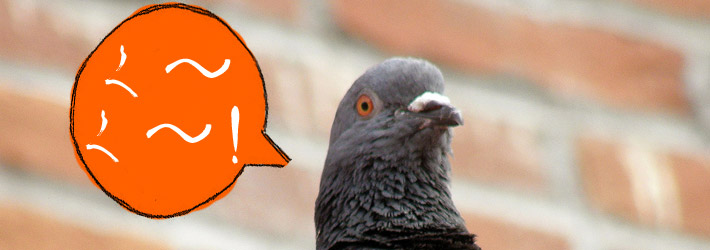
If you've been studying Japanese for a little bit, you may have already noticed that the kanji for bird (鳥) is right inside the kanji for pigeon (hato 鳩). In fact, it's one of two radicals. If you look at this kanji you can probably figure out that it has something to do with a bird whether or not you knew the kanji in the first place (so long as you know the bird radical/kanji). The interesting part is to the left, though. The second radical of this kanji is "nine" (kyuu 九). Now why would that be there? Is it because pigeons fly around in groups of nine? No… Is it because it takes nine pigeons to make a pie? Maybe, though that's a pretty big pigeon pie…
Actually, the reason that "nine" is there is because of the sound that the kanji kyuu 九 itself makes. One of the readings of kyuu 九 is く (ku). It also happens that pigeons (in Japanese/Chinese) make a "kuu kuu" noise. That kyuu 九 is there because it's saying this is the bird (tori 鳥) that goes kuu kuu. So, now you know what sound a pigeon makes in Japanese as well as how to read it (assuming you know the radicals). All of that information is encoded right into the character!
ga 鵞 (Goose)
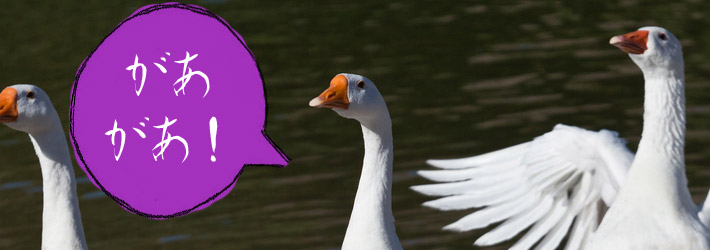
The Goose (also known as gachou 鵞鳥, also has a "bird" radical in it, just like in pigeon and the other bird-kanji on this list. The other radical on top, ga 我, means "I" or "oneself." If you haven't guessed it by now, the "oneself" meaning probably doesn't have much to do with the meaning of the word itself. The "I bird" just doesn't make much sense, that is, unless Apple was making minimalistic birds thousands of years ago when Chinese monks were still making kanji.
One of the readings of 我 is が (ga). Now, this could be indicating the on'yomi reading of the kanji itself (which is also が), but it also happens to be the sound a goose makes in Japanese (があがあ / gaa gaa). Once again, a kanji contains more information than you think – you just have to know how to decipher it. Next stop, Illuminati.
ka 蚊 (Mosquito)
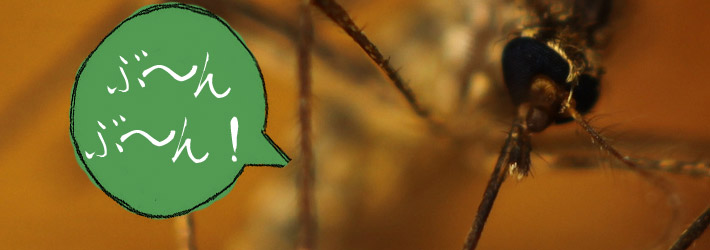
Let's take a quick break from birds and take a look at bugs. Most bugs don't make a ton of noise, but mosquitoes have a very distinctive buzzing tune. It's more of a vibration, really, and to symbolize that sound the Japanese say ブ〜ン (buuun).
But did you already notice the kanji makeup? On the left there's the radical for "insect" (mushi 虫). On the right is the radical for "writing" (bun 文). Obviously, this is not the "writing bug"… unless it's writing messages on paper using your blood, ew… instead, that 文 contains the sound that the mosquito makes. 文 = ぶん (bun) = a mosquito's buzzing sound. This is the "buunnnnn bug." It would be like if we called a mosquito a "buzz bug."
kamome 鴎 (Seagull)
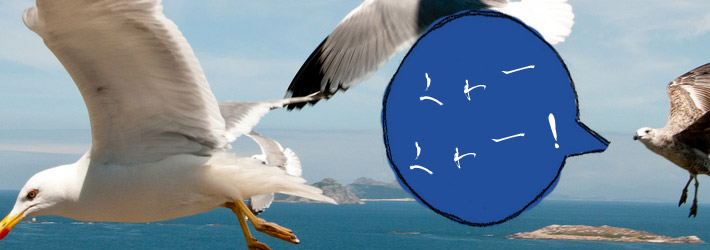
The seagull says くゎーくゎー (kwa kwa). I think their shriek is a bit higher pitched, though, if you want to try it out (don't blame me if you accidentally do their secret mating call).
On the right you have the bird radical (鳥). On the left you have the "district" radical ( 区), which is read く (ku). I'll have to admit, this one is pushing it a bit. く(ku) isn't quite くゎ (kwa), but it's similar, especially in Japanese. Most likely, this 区 radical is here to signify the on'yomi reading of 鴎 (which is also おう, just like 区's on'yomi reading). It's also possible that a seagull is some kind of "district bird" only hanging out in certain (harbor, perhaps?) districts. All that being said, it also happens to be a similar sound to what a seagull makes.
All that being said, sometimes it's good to look at the iffy ones. It reminds you that sometimes coincidences are coincidences. Doesn't mean you can't use them to help you to remember things and create mnemonics, though! ;)
Let's try another one that's more solid.
karasu 鴉 (Crow/Raven)
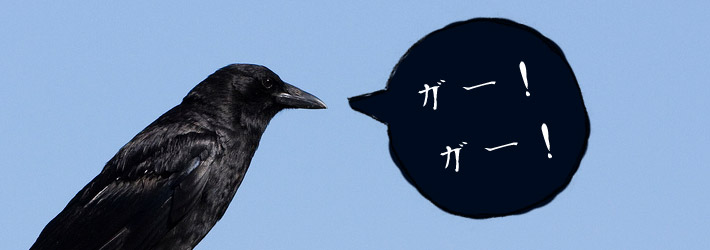
Crows! Ravens! The invaders of Japan! Like the other kanji in the list, this one consists of two radicals: bird (鳥) and fang ( 牙). The reading for 牙 is が (ga). What sound does a crow make, boys and girls? It also goes "gaa, gaa" just like the reading of the radical. Hopefully you've started to notice a pattern by now. This is the "Ga Bird."
Neko 猫 (Cat)
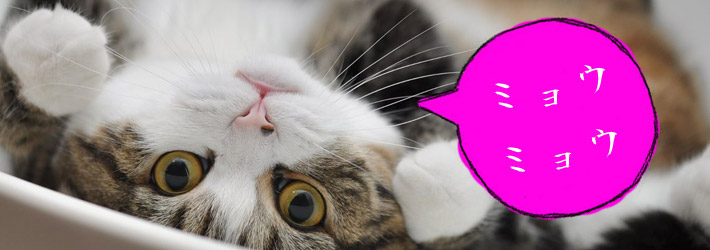
Okay, so cats actually say ニャニャ (nyanya) in Japanese. But, Japanese people didn't make kanji, the Chinese did. The left part of Neko 猫 (cat) consists of the animal radical. The right part is nae 苗, which means "sapling" (has very little to do with cats). Now, in Chinese, the sound a cat makes is more similar to how we say it in the West (at least, that's what I've heard). It's kind of a Mao or Mau" sound. The reading for the right side radical/kanji inside of 猫 is ミョウ (myou), coming from the Chinese onomatopoeia of "meow." It doesn't quite work in Japanese, but you get the idea, I think. Basically, this is the "myou animal" (kind of like how a crow is a "gaa bird" and a pigeon is a "kuu bird").
The Mystery Deepens

Now, you probably won't be unlocking any ancient Buddhist secrets by deciphering kanji like this, but I think this sort of thing is fun. Definitely helps break up the monotony of kanji learning and makes you respect kanji a little bit more. I'm pretty certain I'm just scratching the surface here too. I'm certain there are other kanji with similar patterns. You just never notice them unless someone points them out to you or you go looking for them. There are hidden messages, meanings, and readings around every corner. Just keep your eye out and you'll certainly notice one or two.
As for how useful this actually is? Well, probably not all that useful, though perhaps you will be able to read the kanji from this article more effectively now compared to five minutes ago. One thing that I keep thinking about, though. I wonder if there are any kanji for some long extinct animals where we don't know what kind of sound it makes. Wouldn't it be cool to figure out what kind of noise an animal made just via its kanji like this? Sounds incredible to me, and somewhat plausible. That's what makes this so fun.
All that being said, these kanji sounds could be purely coincidence as well. The readings of the radicals on their own are the same as the animal sounds as well, though I think it makes some sense that you'd choose a radical with a reading that mimics the sound of the animal. So while all this seems plausible it's hard to know for sure what was going on when these kanji were being created so many years ago. Perhaps next time we'll figure out that 宙 has 由 in it because ancient aliens made a "yuu yuu" noise when they spoke.

Giorgio would approve.