
Top 10 Most Ridiculous Japanese Stereotypes

There exist stereotypes for every kind of people and the Japanese are no exception. As with many misconceptions, some of them are based on some truth that has been exaggerated to the extreme, but some of the misconceptions about Japan are downright outlandish.

Like many people, I thought that there was at least some truth to a few of these when I was a kid and started to learn about Japan and their culture. Thankfully, as I learned more and more I found out how these stereotypes came to be and the real stories behind the myths. So read on, my friends – and let’s learn something.

10. All Japanese People Can Speak English Real Good
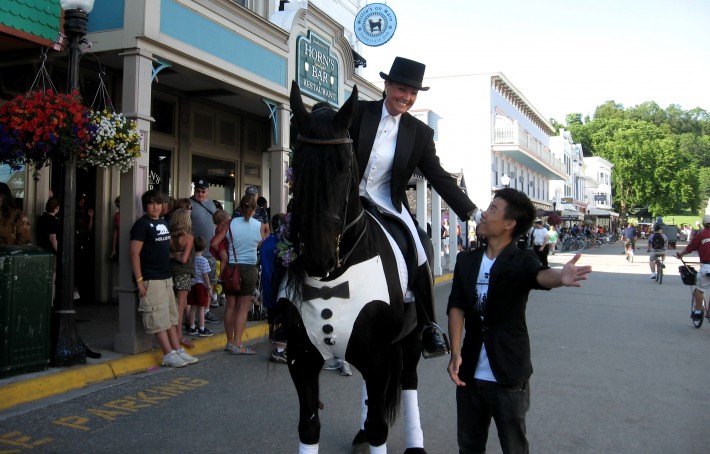
Did you take a foreign language in high school? How much do you remember of it? Yeah, that’s what I thought. Sure, Japanese students take many years of English while they are in school, but from my experience they mainly focus on writing rather than speaking and the only ones who are really good at it are those who really take an interest in the language and study it outside of class.

Many Japanese students just do enough to get by in English class and by the time they graduate they’ve forgotten quite a bit of it. This, coupled with the fact that the average Japanese person has little to no use for English on a daily basis, causes the English skills of many Japanese people to be pretty elementary. So next time you visit Japan, don’t be surprised if not absolutely everyone speaks English as well as you’d like them to.

9. All Japanese People Eat Whales and Dolphins for Breakfast Lunch and Dinner

While Japanese people are much more likely than others to dine on meat from whales and dolphins, it’s probably not as common as you think. This may be familiar to those of you who have already read Hashi’s post Ever Been So Hungry You Could Eat A Whale, but like he says, eating whale in Japan is about as common as something eating like alligator or squirrel in the United States. It’s uncommon, but it’s still done.

[yframe url='http://www.youtube.com/watch?v=xQmsBEpDoAg']

The Japanese have eaten whale meat for hundreds of years now and during WWII and the early postwar years, the Japanese ate a lot more whale meat because it was an easy, plentiful source of protein. You’ll still find packaged meat in stores and the like, but it’s definitely not a super common meal in Japan.

8. Hibachi Grill Restaurants are Properly Named
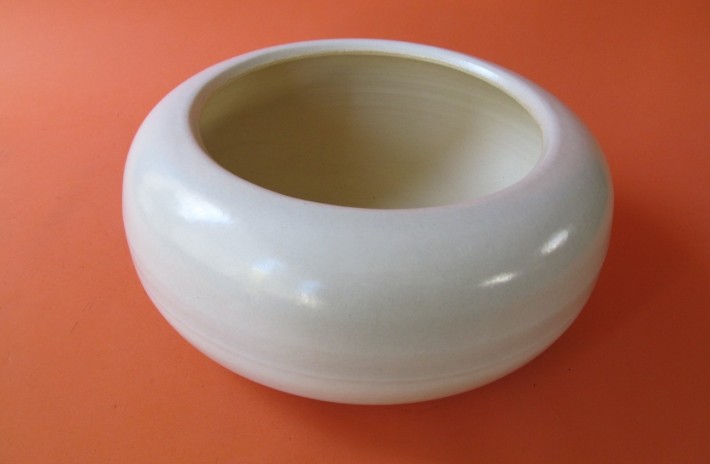
Yes, the picture above is a hibachi. Not what you expected? I’m not surprised. The “hibachi” grills you see in hibachi restaurants are actually “teppanyaki” grills. Hibachi, or “fire bowls,” are traditional Japanese heating devices consisting of a round, cylindrical, or a box-shaped container, made from or lined with a heatproof material and designed to hold burning charcoal.

[yframe url='http://www.youtube.com/watch?v=RWxqjbc_GRA']

In North America, the term “hibachi” is mistakenly used to refer to a small cooking stove heated by charcoal (actually called shichirin in Japanese), or to an iron hot plate (teppan) used in teppanyaki restaurants. Armed with this knowledge, you can show off and correct your friends in the most pretentious way possible next time you go to one of these so called “hibachi” grill restaurants. Please.

7. Japanese People Don’t Like Letting People Into Their Personal Bubble and Are Really Weird About Personal Space and Stuff
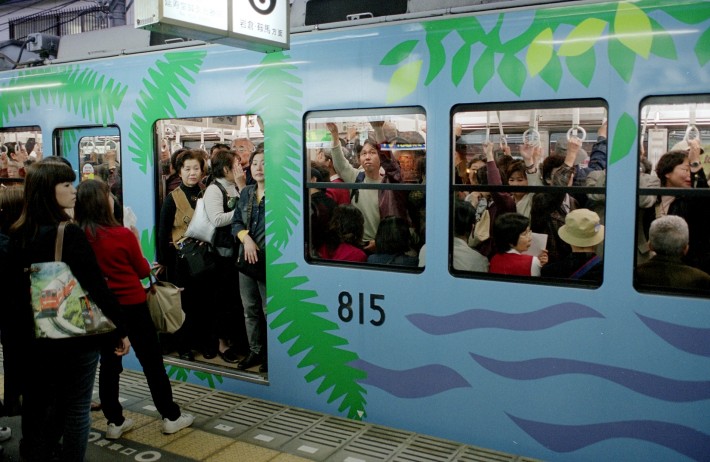
For some reason a lot of people view Japanese people as being very anti-touchy-feely and kind of prude. While this may be somewhat true with person to person relationships and PDA like holding hands and kissing and whatnot, this is most certainly not true with daily commutes and train rides. Just take a look at the video below. It’s nuts.

[yframe url='http://www.youtube.com/watch?v=Fk2R_mqV4ts']

Japan is crowded. People need to get places. You’re going to get bumped into, crammed, and squeezed. It happens. If all Japanese people were so weird about personal space, stuff like this wouldn’t happen. People need to get to work, school, and other places, and they’re not afraid to cram together to do it. So don’t be surprised if you end up getting crammed into a train car sardine-style the next time you’re in a busy city in Japan.

6. Japanese People Are Still Sour About WWII and Are All Racist Xenophobes

Really? Come on. In all honesty I’d say that there’s more Americans that are still sour about Pearl Harbor than there are Japanese people sour about Hiroshima and Nagasaki. A lot of things happened in WWII that are touchy subjects for everyone, but that’s largely in the past for most people. Most Japanese people today are very interested in Western and American culture and are very welcoming to others.

There’s also some folks who think that Japanese people refuse to accept foreigners as their own and it’s really hard to become a citizen of Japan. Well, while it may not be easy, it’s certainly possible. Just take Donald Keene for example. He’s received honors from the emperor himself! Just like with any other country, you can Go From Foreigner to Japanese Citizen with a bit of hard work and dedication. And everyone will love you for it.

5. Only Japanese People Can Excel at Traditional Japanese Sports and Things
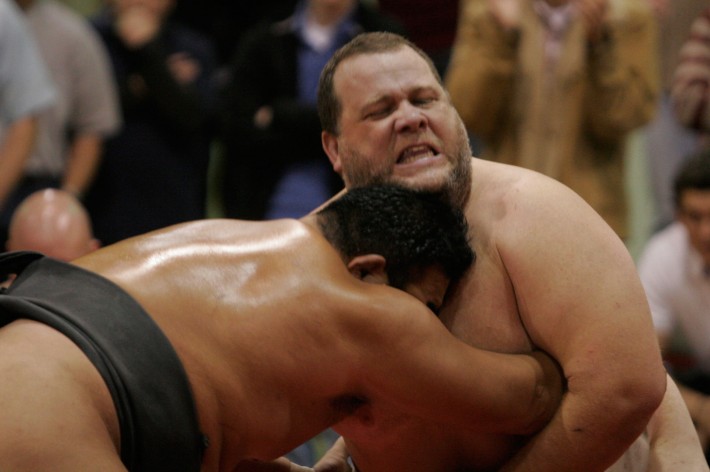
There are a handful of people (both inside as well as outside Japan) that think only the mighty Yamato people are capable of being good at anything Japanese whether it be the language, sports, or otherwise. This, however, is grossly untrue. Take sumo for example. What’s more Japanese than sumo? Well, believe it or not there hasn’t been a Japanese Yokozuna in like ten years (they were either Hawaiian or Mongolian).

[yframe url='http://www.youtube.com/watch?v=2eZulXJTZwk']

And then there’s Jero. Jero is the first ever black (well, half black) Enka singer in Japanese history. Who would have expected that? So while there may be some Japanese people that believe there is something different about them that makes it so only they can excel at these things, this is most definitely not the case.

4. Japanese People Are Super Polite, Like, All the Time
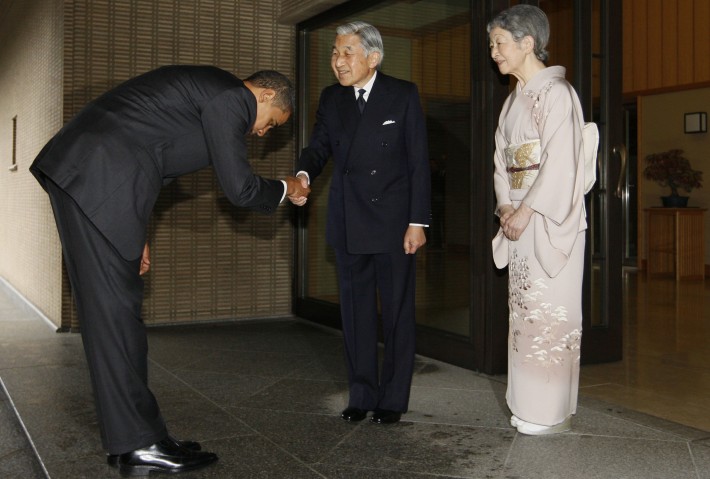
Have you ever visited Japan and felt like everyone was being ridiculously nice to you, even more than you would have expected? Have you ever had a foreign exchange student at your school before? Would you be super nice to them? Probably. Japanese people are about as polite as anyone else really. This is even more true when you hang around Japanese people who think foreigners are cool and want to be nice and hang around them all the time.

I mean, the Japanese language has a special level of politeness just to make sure people don’t give into their natural human temptations to be rude and crass to everyone. Okay, no not really. But in reality, Japanese people are just about as polite as anyone else when it comes right down to it. And if you want to return the politeness favor when you go to Japan, just make sure you don’t embarrass yourself.

3. Japanese People All Drink Only Sake and Can’t Handle their Alcohol
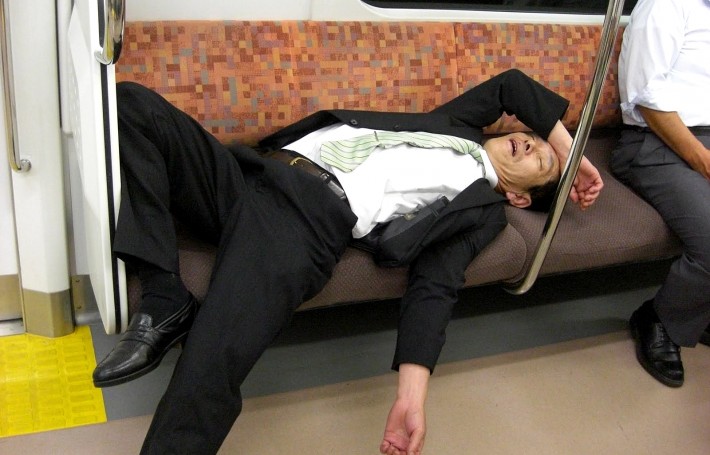
Of course Japanese people drink other kinds of alcohol apart from sake. Yes, they probably drink more sake than other nations, but probably in the same way French people would be more likely to drink more wine and Germans would be likely to drink more beer. But Japan loves wine and beer just as much as the next country. Don’t believe me? Beer was responsible for starting a war in Japan. They take it very seriously over there.

As for Japanese people not being able to hold their liquor, thats only partially true. If you’ve checked out Hashi’s post about The Science Behind Drunken Salarymen, this may be familiar to you already. About 40-45% of Asians have trouble processing alcohol and develop what has become known as the “Asian Glow.” But for those who aren’t afflicted with this unfortunate mutation, Japanese people are certainly capable of holding their own in any sort of drinking match.

2. All Japanese People Eat Sushi All Day Every Day
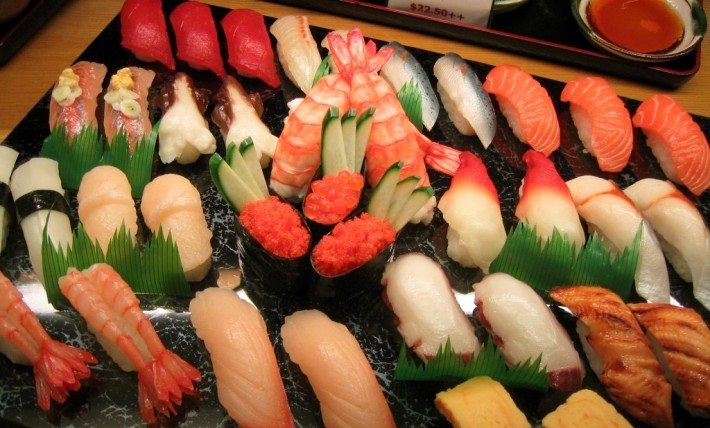
Yes, sushi comes from Japan. Yes, sushi is awesome and no one would be unhappy eating it each and every single day. However, Japan has a lot of other foods that are equally as awesome like tempura, gyoza, okonomiyaki, yakisoba, and even bukkake. Some Japanese people don’t even like sushi (the poor souls).

[yframe url='http://www.youtube.com/watch?v=0b75cl4-qRE']

At most Japanese grocery stores the sushi section, albeit much better than its US equivalents, isn’t that much bigger than those you’d find at your local Kroger or Giant Eagle. But of course fish is more plentiful in Japan as it is an island nation, much in the same way that beef is so plentiful in America. And now you know.

1. All Japanese People Watch Anime and Read Manga (Even in Their Sleep!)
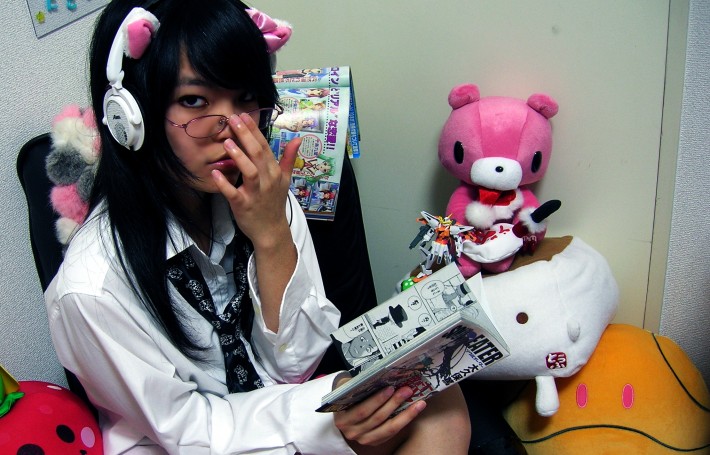
Okay, so kids in Japan watch anime just about as much as kids in the United States watch American stuff like SpongeBob SquarePants or Looney Tunes. As kids get older, they will be more likely to “graduate” from anime onto manga (reading is hard, after all), but it’s pretty comparable to how American folks like American comic books (or graphic novels if you prefer). And just like in America, if somebody ends up being really obsessed with comics they’ll most likely be labeled as a super nerd (or otaku).

[yframe url='http://www.youtube.com/watch?v=l0duOmmO02Q']

Of course there are things that almost everyone in Japan enjoys, like Studio Ghibli, but in America we have Disney and Pixar movies that can be enjoyed by all ages as well. So next time you see a Japanese person, don’t assume that they like anime or manga as much as you do. There’s a good chance they don’t.


And there you have it. Ten of the most common misconceptions about the Japanese people debunkified. You’re welcome.

Do you have any other misconceptions you think we should have addressed above? (All Japanese people being good at math, maybe?) Or maybe you have some other questions about Japanese people and their culture you’d like cleared up? Feel free to ask in the comments!


[Header Image Source]

  • http://www.vietamins.com Viet

    Hmm, not sure if you response is genuine, or you are just egging me :P

  • http://twitter.com/WackoMcGoose Kimura Okagawa

    /give Kiriain 357 64
    /give Viet 264 255
    java.lang.IntegerOverflowException: ItemStack.quantity cannot exceed 127

  • John

    Props to the Australians then, haha.

  • Sangria

    That’s strange, I had never heard of those stereotypes. Normally, when I say Japan, the only thing people say is : oh, i have a japanese car.

    In fact, what I heard was, on the contrary, that Japanese were exceptionally bad in english. People kept telling me to not go there without knowing JLPT1++++. Fortunately, a few person who actually went there, told me it was not true and that they were as good in english as us, french speakers. Not good, but definitly not so bad.

    I had also heard they were eating rice, not sushi all the time, that they were indeed watching animes and reading manga, like we do with our own shows, that they didn’t particulary like strangers even if they are nice and polite with them, etc.

    It is easy to make stereotypes with exageration. I could say that american are all idiots just because some people said so. It is by no mean a stereotype because it is not a belief of most people.

    I would have called you topic : exageration of japanese stereotypes, it would have been more accurate.

    I must live in my bubble though, cause I had never heard of that!! :)

    P.S. – My english is bad but it’s normal, I’m french :)

  • roguenest

    i have other questions but they are not PG rated so let’s leave it :)

  • simplyshiny

    this. I’ve heard of a fair few of them. So unless of course, you are the god of all the universe and know everything,  (in which case, I bow down to you) there’s a chance you might have not heard something that other people have. 

  • Erick Reilly

    Yeah. He actually told me that I could just say “Genki?” so from that point onward, that’s what I tend to do.

  • syrup16g

    Never met a Japanese person who didn’t enjoy manga, anime, yes. Title of 1 should be changed?

  • ですこ

     Meet more Japanese people?

  • syrup16g

    Have you ever met a Japanese person who hasn’t read manga? Honestly though. In my cell’s phone book of hundreds of Japanese people, I can’t find one who I couldn’t ask about at least one manga.

  • syrup16g

    If someone is passing a manga around in class or in a group nobody will refuse it. 

  • Guest

    You forgot one; ”All Japanese people are super, mega, ultra weird. Their TV shows are crazy, their pranks are evil, and all their cartoons end in a high school girl getting raped by a tentacle.”

  • ですこ

     Every angry scapegoating politician ever. And the stereotype is less “read a manga at one point in time” and more “is an otaku at every point in time.”

  • ですこ

     Sounds like they need to learn how to “just say no” and not give in to peer pressure. Manga is just the gateway into the crazy world of anime, tokusatsu and games, man! It does stuff to your brain, man! I spent 3 years in rehab for it, but it turned out the rehab was just a hallucinogenic metaphor for the human condition! Last time I go to the Gainax Rehabilitation Center.

  • ですこ

     They’re doing absurdest comedy? That must be what they’re all like in real life ALL THE TIME. Comedy sketches are documentaries over there, you know?

  • linguarum

    I’d say one of the most common stereotypes ever is: “all Japanese people have a camera permanently attached to their face.” (It may be suggested in the graphic at the top, but somehow it didn’t make the list.) True, Japan does make some nice cameras, and some Japanese people carry them (although more people everywhere are relying on the camera built in to their phone). But one simple fact often gets missed: when most Westerners see Japanese people in their country, those Japanese people are on vacation. And doesn’t everyone take a lot of pictures when they go to a different country? If you had only a week out of your whole life to spend in America, wouldn’t you take a lot of pictures?

  • syrup16g

    Well thank you for taking my comment seriously. Do you live in Japan?

  • ですこ

     You’re welcome.

  • JatinChittoor

    are the trains generally that crammed?!?! lol. I’ve see a good number of these videos with crammed trains but, very hard to believe. hahaha!!

  • joe

     I dont get it, is it a play on words jeans and genes ?

  • http://www.vietamins.com Viet

    NIHON-JEANS

    which is similar sounding to nihonjin = japanese people.

    MYSTERY SOLVE GANG, LETS HEAD BACK TO THE MYSTERY MOBILE.

  • julid

    I lived with a half-Japanese, half-white girl for 5 months in Japan.  She was born and raised in Japan, had a Japanese name, spoke perfect Japanese, everything, except that she was half-white.  Literally everyday somebody would say something along the lines of “Wow, your Japanese is so good!” to which she would politely reply, “I am Japanese.”  And every time they would proceed to argue, in the politest way possible, that she was not.  She had a really hard time with bullying in middle school and actually came to the U.S. for high school because the discrimination was so bad.  I knew quite a few other half-Japanese people and their experience was similar.  I wouldn’t say that half-Japanese people are hated or even necessarily mistreated, but they are not accepted as “Japanese,” which is pretty awful if that is your home and your identity.  If you’re half-Japanese, born and raised outside of Japan, you’ll just be treated like a foreigner, which you are, so it’s not nearly as bad.

  • linniea

    7. Japanese People Don’t Like Letting People Into Their Personal Bubble and Are Really Weird About Personal Space and Stuff

    lmao, no way. especially when talking to people your own age (and gender, I assume) things can get very touchy feely if people agree with you/are enthousiastic about the topic of conversation :’) great article, thanks! :D

  • boxie

     Thanks for the reply.
    Hmm. I’m really sorry to hear that, it really gives me new insight into the depths of the Japanese culture and how proud they can be of it.

  • boxie

     mmm. Thank you for the reply and the insight.
     

  • Saphy

    (Some of these I didn’t realize were even considered popular-yet-ridiculous stereotypes. That, or I just forgot about them after becoming more interested in Japan/Japanese.)

    Though I think it’s ridiculous for people to believe that all Japanese people are obsessed with anime/manga, I don’t think the reality is quite so comparable to Americans.

    In my experience, in the US, cartoons and comics are considered to be made for and enjoyed by children or nerds (i.e. that normal adults should “grow up” & not trifle with such childish activities- though I believe it’s becoming less looked down upon), whereas, I think it’s much more acceptable for an adult in Japan to enjoy watching anime and reading manga on a casual or even daily basis. But like I said, that’s just my personal experience through life, and media.

    Off topic: I just noticed the “Ohioan” part of your “About”. I’d say Ohioan ftw if I didn’t dislike my home state, but cool nonetheless. :D

  • http://www.facebook.com/kage.kitsune.3 Kage Kitsune

    I like how it says “All Japanese people can speak English “real good” instead of “really or very well” (idk if that was intentional but I still find it funny) haha but really, I always hear the stereotypes of them having a “martial arts background” or they are “super smart”. There are a lot of people out there who also get Japanese people mixed with Chinese or Vietnamese people, saying they all look alike. They don’t really.

  • Ryushi

    Re: no. 6, in my experience, there’s still a lot of racism and xenophobia among the older generations regarding the Chinese. My Japanese grandmother is always talking about how the Chinese are all untrustworthy criminals and refuses to sit or stand next to Chinese people. 

  • http://twitter.com/blackbrich Dave

    I definitely heard #10 and I tried to tell someone that it wasn’t true, but I gave up because they just felt like they knew. Something about they take it since elementary and they teach well…

  • Guest

    The xenophobic thing is a bit iffy I think. I don’t think that the younger Japanese are xenophobic, but I have come across a few that seemed a little wary of foreigners.

    I remember this exchange I had with a lady who lives in Shinjuku with another lady who lives in Hokkaido. When I expressed my interest in the art of the Hokkaido lady, the Shinjuku lady said to the Hokkaido lady that it must be really cool that her art is appreciated by foreigners. The Hokkaido lady, however, said indirectly to me (through the Shinjuku lady) something akin to an uncomfortable “ehhhhh…. I suppose”. The Shinjuku lady thought the reaction was a little funny, probably because she herself is so accepting of foreigners.

    By contrast, I have a friend in Osaka and she is the bubbliest, most friendly person you will ever meet.

    I think the wariness is definitely affected by where they live. As a rational person, I can only hope that’s the case. 

  • Devon

    how about the myth “all Japanese girls are waiting for any “gaijin” prince charming to come along and take them away?”

  • http://twitter.com/tamachan87 Richard Simms

    I teach in Japanese schools and at about 5 of the 6 I go to there is at least one “half” student. One girl is half-Japanese, half-Taiwanese, so in my eyes she is completely Asian. However there is one boy in the class who insists on calling her “gaijin” all the time. There is also a half-German boy at my elementary who was pushed in front of me by the teacher and told “he is half foreign”, like we had a kind of instant bond over that little fact.

    Aside from those two instances, a lot of kids are very tolerant of half-children and even full-blown foreigners (re: me). A lot of older teachers however…

  • http://twitter.com/tamachan87 Richard Simms

    Regarding number 6 – I have to honestly say that the education about WWII is quite bad and lopsided for the most part. I teach English to junior high kids and both New Horizon and Sunshine textbooks have stories about the bombings of Nagasaki and Hiroshima and nothing about the events that led up to it. I can’t say if this is taken up in social studies, but the stories that I’ve read are not showing the whole picture.

  • A. Jarrett Wheatley

    JERO! the Fresh Prince of Enka!

  • grotesk_faery

    There’s a really glaring omission here, guys… And I do mean GUYS.

  • まり

    This was so awesome and funny as heck! I didn’t even know about that
    Jero dude, he was the bomb! >:D

  • 津軽づけ

    あれれ・・・

  • 津軽づけ

    Don’t feel bad! I met so many japanese people outside of my family and they all loved manga and anime….Some more, some less. Don’t listen to trolls~

  • John

    Yeah that was intentional, lol.

  • John

    lol, yup. Woo, Ohio~

  • http://www.facebook.com/people/Christen-Abma/100001243353841 Christen Abma

    Is liking manga in Japan really the same as liking comic books in America? Generally, anyone over the age of 25 who likes comic books is labeled a little odd, even if they aren’t obsessed or only mention it in passing. It’s like admitting you dance around in your underwear and sing into a hair brush. People laugh it off and think it sounds fun, but may secretly think you’re childish. Do Japanese people see anime or manga as a ‘kid thing’ or a ‘dorky thing’ by default, like Americans see comic books or cartoons?

  • ChesterBogus

    This one is true, actually. I mean, they aren’t waiting, but there are significant cultural differences in how we handle gender roles – a lot of Europeans and Americans have a macho culture of “I will take care of my woman.” Conversely, in Japan, there is a feminine culture of “I will take care of my man.”

    When these cultures meet, it’s good for everyone involved. Japanese women are just blown away by the way foreign men treat them. There are a lot of great Japanese men, and I see a lot of good, active fathers – but the cultural expectation is that Japanese men are lazy and unhelpful in a marriage. My mother-in-law actually, literally gets angry with my wife because I wash the dishes and cook dinner. It’s UNHEARD of, and my wife LOVES it. Most of her friends are wildly jealous of her because she has this foreign husband who cooks and cleans.

    Basically, you know how American men are all, “Asian women are submissive and make great wives”? Well, Japanese women feel the same way about foreign men. “Did you know foreign men will cook and clean and help around the house?” We’re exotic, and we’re commodities. Yes, we’re objectified and treated like some kind of toy – it is frankly sexist and racist. But you know what? It works. Japanese women take care of their husbands, and foreign men take care of their wives, and every one is happy. Oh, and foreign men don’t tend to cheat as much as Japanese men do (most of my wife’s friends’ husbands have cheated). It’s just a long, long list of reasons why Japanese women like foreign men.

    The only real problem is culture shock – some women can’t handle being fawned over. Some women can’t handle a man washing dishes. Most Japanese women can’t handle our casual PDA (holding hands is considered an egregious PDA in Japan). There are problems involved, but once you get over that, it’s two people who love each other and take care of each other.

  • ChesterBogus

    This one is also mostly true.

  • ChesterBogus

     What Julid and Richard Simms said is one hundred percent true. I actually had a child ask my STEPson if he was “gaikokujin,” which pissed me off to no end (I’m still stewing over it). The boy was born in Japan, yet just by being seen with me, people ask if he’s “foreign.”

    My wife actually explained that linguistically, “Japanese” and “foreign born Japanese” are NOT the same. They don’t make this distinction with any other race or ethnicity. However, my wife insists that, for example, George Takei is NOT Japanese. He’s “foreign-born.”

    So it’s a complicated thing with linguistic issues thrown in. The main thing is that, in Japan, EVERYTHING is about Japan. And that makes sense – but they take it a touch too far. If you’re not Japanese, you’re “foreign.” No distinction between nationality, race or ethnicity. Just “foreign.” If you weren’t born in Japan, you’re “non-Japanese.” If you aren’t genetically 100% Japanese, you are “non-Japanese.” It’s a kind of binary thing. It’s not entirely racist, or cruel, or anything like that, but it is definitely not nice. At best, it’s just inconsiderate – but it can also lead to serious bullying and cruelty.

    On the other hand…half-Japanese people are considered VERY attractive, and people will literally come up to you and ask, “When are you and your husband going to have a little half-white baby?!?!?!?!” It’s…again…not entirely cruel or racist, but it is by no means polite.

  • ChesterBogus

     One of my wife’s favorite songs is called “I DON’T UNDERSTAND,” and the lyrics go, “I DON’T UNDERSTAND, my English teacher spoke in katakana, so there’s nothing I can do about it.”

  • ChesterBogus

     No. Adults read comics. It’s hard to explain. It’s not like EVERYONE reads comics. But, say, in America, if an adult read Seventeen magazine, you’d think she was crazy. But if she read Glamour or something like that, you might roll your eyes, but you wouldn’t think she was crazy.

    I guess just think of comic books as on the same level as magazines in America. There are low-brown and high-brow magazines, but they’re all short, simple, easy reading.

  • boxie

    Wow. I’ve have gotten a lot of replies to my question. Thank You.
    And from them all I can’t help, but wonder if it’s one of those generational “things”. I should probably just wait until I go to Japan myself to find out.
     And again thank you all for your insight.

  • Www Photoman

    Suicide is also a common Japanese stereotype.

  • Www Photoman

    Jero was the singer of a Crayon Shin-chan movie theme song.

  • http://www.facebook.com/AmyLeeTighe Amy Lee Tighe

    What are some items that are commonly used by Japanese people, such as bento boxes and random things like that?